Three officials from the Lahore Electric Supply Company have been suspended following explosive bribery allegations made by Defence Minister Khawaja Asif, who claimed that villagers connected to one of his employees were forced to pay Rs80,000 to get a transformer replaced.
The suspensions, confirmed by LESCO’s Phool Nagar Division executive engineer, include two linemen and one line superintendent. The action came swiftly after Asif publicly raised the corruption complaint, shining a spotlight on endemic graft within Pakistan’s troubled power sector.
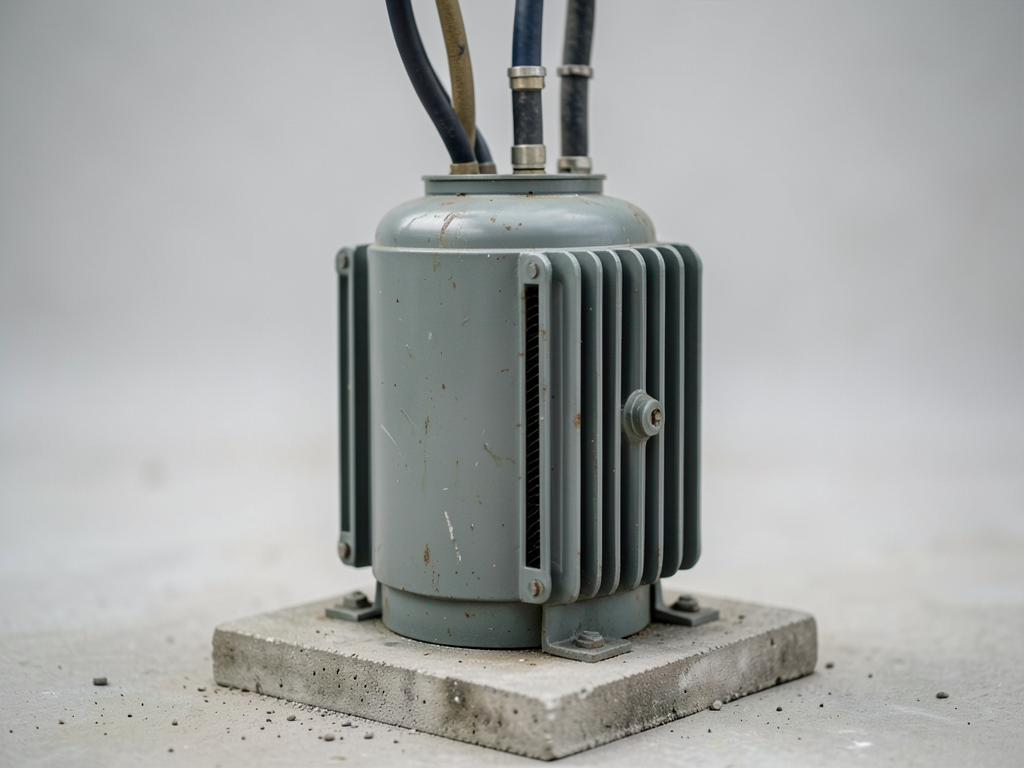
According to the executive engineer’s account, a 200-kilowatt transformer had burned out in the village, and LESCO teams arrived to install a smaller 100-kilowatt replacement. However, the official claimed that Asif’s coordinator and local residents physically prevented the installation crew from completing their work.
The engineer insisted he personally visited the site to investigate, but said no villagers produced concrete evidence that money had actually changed hands with LESCO employees. LESCO sources later suggested that a private individual with no official connection to the utility may have collected the alleged bribe money from desperate villagers.
The conflicting narratives highlight the murky reality of Pakistan’s electricity distribution system, where consumers routinely face demands for under-the-table payments to secure basic services like transformer installations, new connections, or even timely repairs.
Federal Power Minister Awais Leghari publicly backed the suspensions, confirming that action had been taken against the implicated individuals. Leghari praised Asif’s public complaint as an example of “self-accountability” within the government, suggesting the defence minister’s willingness to expose corruption even when it involved his own staff’s village demonstrated a commitment to transparency.
The incident has resonated powerfully with Pakistani consumers already seething over inflated electricity bills, frequent power cuts, and widespread reports of corruption within distribution companies. LESCO, which serves Lahore and surrounding districts, has faced mounting criticism over billing disputes and poor service quality.
For many Pakistanis, the defence minister’s complaint validates long-standing suspicions that bribes are routinely demanded for services that should be provided as a matter of course. The question now is whether the suspensions represent genuine accountability or merely symbolic action designed to contain public anger.
The case also raises uncomfortable questions about how widespread such practices are across Pakistan’s power distribution network, and whether consumers without high-level political connections have any realistic recourse when faced with similar demands.
As investigations continue, the incident has become a flashpoint in broader debates about corruption, governance, and the chronic dysfunction plaguing Pakistan’s electricity sector.