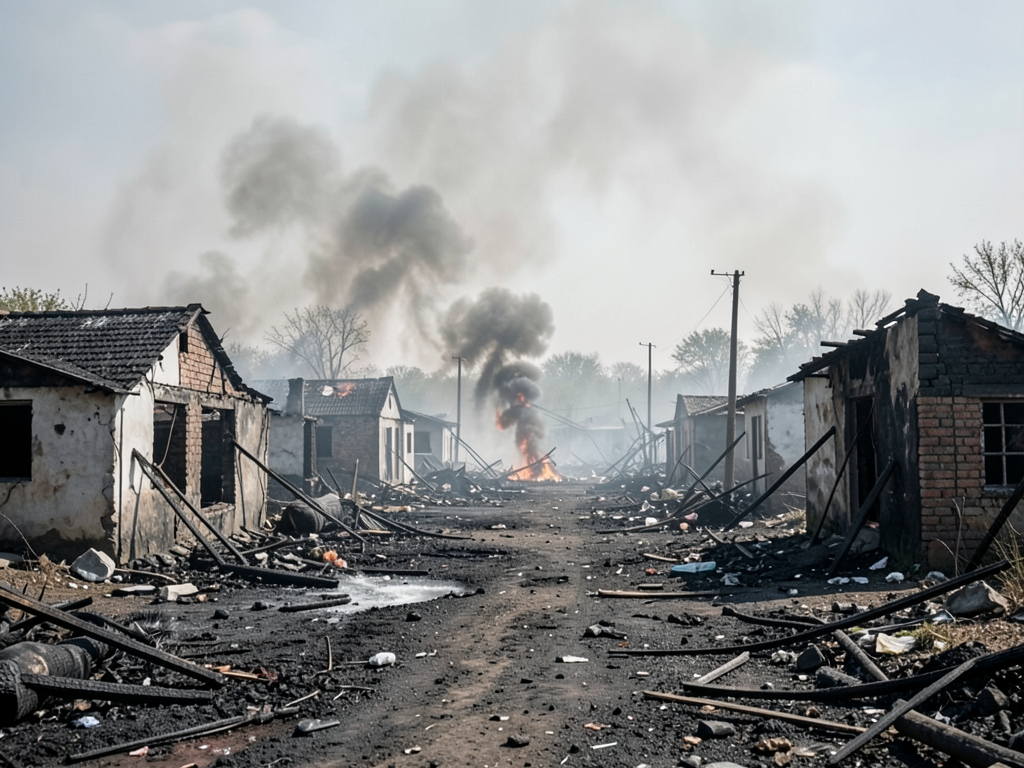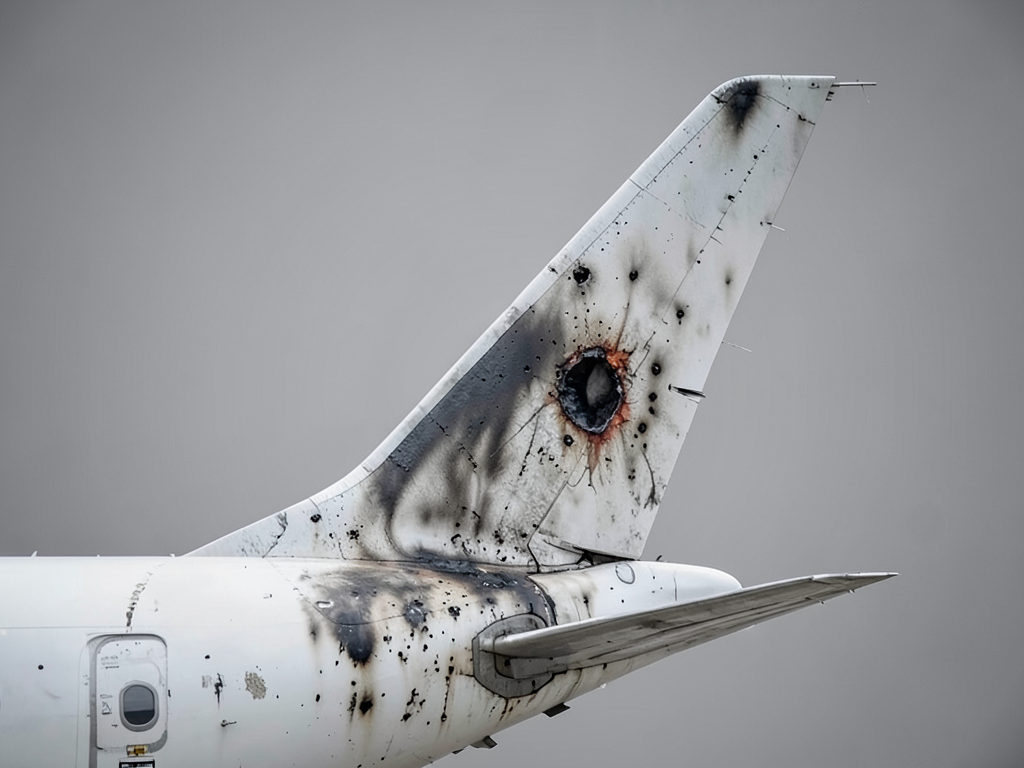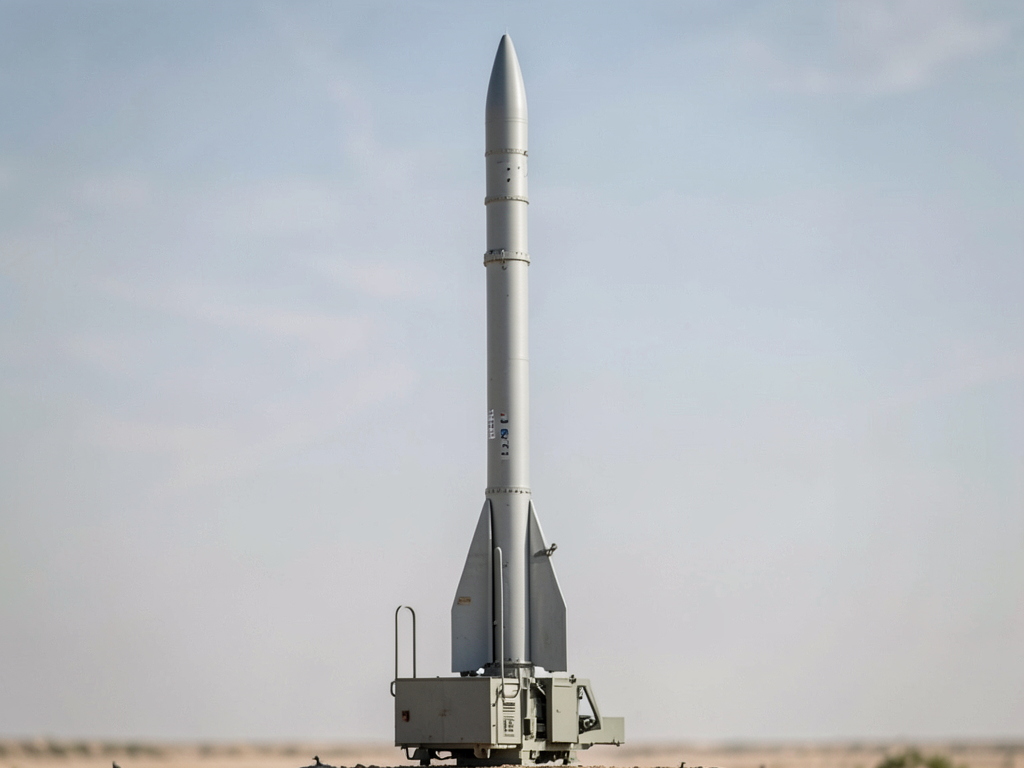
Kuwait’s armed forces intercepted a major aerial assault consisting of 13 ballistic missiles and 17 drones that penetrated Kuwaiti airspace, the country’s Ministry of Defense announced, marking a dramatic escalation in the ongoing US-Iran military confrontation that is now spilling across the Gulf region.
The interception operation unfolded as tensions between Washington and Tehran reached a boiling point, with US President Donald Trump simultaneously claiming that Iran has agreed not to develop nuclear weapons while threatening to resume military strikes if negotiations collapse.
Kuwait’s First Deputy Prime Minister and Interior Minister, Sheikh Fahd Yusuf Saud Al-Sabah, personally visited Terminal 1 of Kuwait International Airport following reports of damage from the drone and missile barrage. The visit underscored the seriousness of the threat to civilian infrastructure in a country that hosts significant American military assets and serves as a critical hub for regional air travel.
Tehran has accused Kuwait and Bahrain of enabling US attacks by allowing American forces to operate from their territories, vowing to exercise its right to self-defense. The Iranian government has warned Gulf states that they will be held responsible for facilitating what it describes as unprovoked American aggression.
In a wide-ranging interview, Trump insisted that Iran’s military has been effectively neutralized and that Supreme Leader Mojtaba Khamenei is involved in ongoing negotiations. The US president described Iran as having no functional navy, air force, or effective leadership, while claiming the country faces 250 percent inflation and economic collapse.
Trump said he expects to meet Khamenei if talks progress, but warned he is prepared to resume strikes if diplomacy fails. He rejected suggestions that Israeli Prime Minister Benjamin Netanyahu manipulated him into launching the conflict, insisting the decision was entirely his own to prevent Iran from acquiring nuclear weapons.
The president also revealed frustration with Netanyahu over Israel’s continued military operations in Lebanon, saying he told the Israeli leader that constant fighting must eventually stop.
Meanwhile, the US Treasury imposed fresh sanctions on Iran’s largest cryptocurrency exchange, Nobitex, accusing it of helping the Iranian government and the Islamic Revolutionary Guard Corps evade Western financial restrictions. The sanctions targeted two brothers from an influential Iranian family who control the platform, along with the exchange’s chief executive.
Treasury Secretary Scott Bessent said Iran has co-opted digital technologies to transfer wealth out of the country and circumvent sanctions, particularly after the government imposed internet shutdowns during the conflict.
For Pakistan, the escalating Gulf crisis carries profound implications. Over two million Pakistani workers are employed across Kuwait, Bahrain, the United Arab Emirates, and Saudi Arabia, sending home billions of dollars in remittances that are vital to Pakistan’s economy. Any widening of the conflict could endanger these workers and disrupt the flow of foreign exchange that helps stabilize Pakistan’s fragile financial position.
The threat to Gulf shipping lanes and energy infrastructure also poses a direct risk to Pakistan’s fuel imports. The country relies heavily on oil and gas from the region, and any prolonged disruption to supply routes through the Strait of Hormuz—which Trump said he expects to reopen soon—could trigger energy shortages and price spikes in Pakistan.
Pakistan has historically maintained a delicate balancing act between its relationships with Iran, Saudi Arabia, and the United States. The current crisis tests that balance, as Islamabad seeks to avoid being drawn into a conflict that could destabilize its western border and inflame sectarian tensions domestically.
The interception of missiles and drones over Kuwait signals that the US-Iran confrontation is no longer confined to direct strikes between the two adversaries. Gulf states are now on the front lines, and the risk of miscalculation or unintended escalation grows with each new incident.
As Trump continues to oscillate between threats of renewed military action and claims of diplomatic progress, the region remains on edge. For Pakistan, the stakes are high: economic stability, the safety of its diaspora, and the security of its own borders all hinge on how this crisis unfolds in the coming days and weeks.