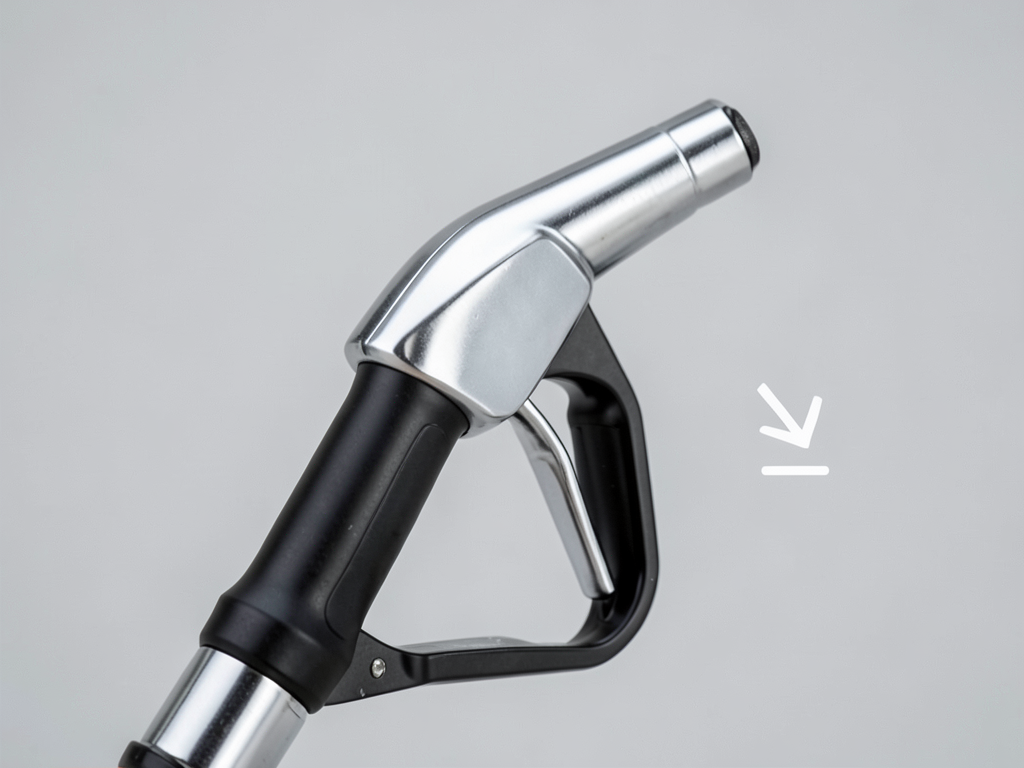
Pakistani consumers received a significant financial boost this Eid ul Adha as the federal government announced a sharp reduction in fuel prices, cutting both petrol and diesel by Rs22 per litre effective May 30.
The dramatic price drop brings petrol down to Rs381.78 per litre from Rs403.78, while high-speed diesel now costs Rs380.78 per litre, down from Rs402.78. In an even more substantial move, kerosene oil prices plummeted by Rs41.44 per litre, settling at Rs272 compared to the previous Rs313.44.
Prime Minister Shehbaz Sharif framed the announcement as a direct gift to the nation during Eid celebrations, emphasizing that public relief remains a top government priority despite challenging economic conditions. The Prime Minister’s Office highlighted this as the second consecutive week of fuel price reductions, part of what officials describe as an ongoing effort to shield citizens from global market volatility.
The timing proves particularly significant for Pakistani households already stretched thin by persistent inflation. Lower fuel costs cascade through the entire economy—reducing transportation expenses for commuters, cutting logistics costs for businesses, and potentially easing pressure on food prices that depend heavily on diesel-powered supply chains.
Government officials pointed to previous interventions during what they termed the worst global oil crisis, when subsidies exceeding Rs130 per litre prevented even steeper domestic price increases. Targeted relief programs for public transport, goods carriers, motorcycle riders, and rickshaw operators have continued even during fiscal constraints, according to the official statement.
The reduction reflects broader shifts in international energy markets. Global oil prices have declined amid growing optimism about potential diplomatic breakthroughs between the United States and Iran that could ease supply disruptions. Brent crude traded around $93 per barrel during Friday morning Asian markets, down nearly one percent, while West Texas Intermediate dropped 1.1 percent to just under $88 per barrel.
For Pakistan’s economy, heavily dependent on imported petroleum products, falling global prices offer rare breathing room. The country’s import bill has been a persistent source of pressure on foreign exchange reserves and the rupee’s value. Any sustained decline in international oil costs could provide fiscal space for the government while simultaneously easing the burden on ordinary citizens.
The announcement comes as millions of Pakistanis travel for Eid celebrations, making the timing particularly impactful for inter-city transport costs. Small business owners, delivery services, and the vast informal economy that relies on motorcycles and rickshaws stand to benefit immediately from reduced operating expenses.
Whether this relief proves temporary or signals a longer trend will depend largely on international developments and Pakistan’s ability to maintain stable currency conditions. For now, consumers can expect marginally lighter financial pressure at the pump—a welcome development in an economy where every rupee counts.