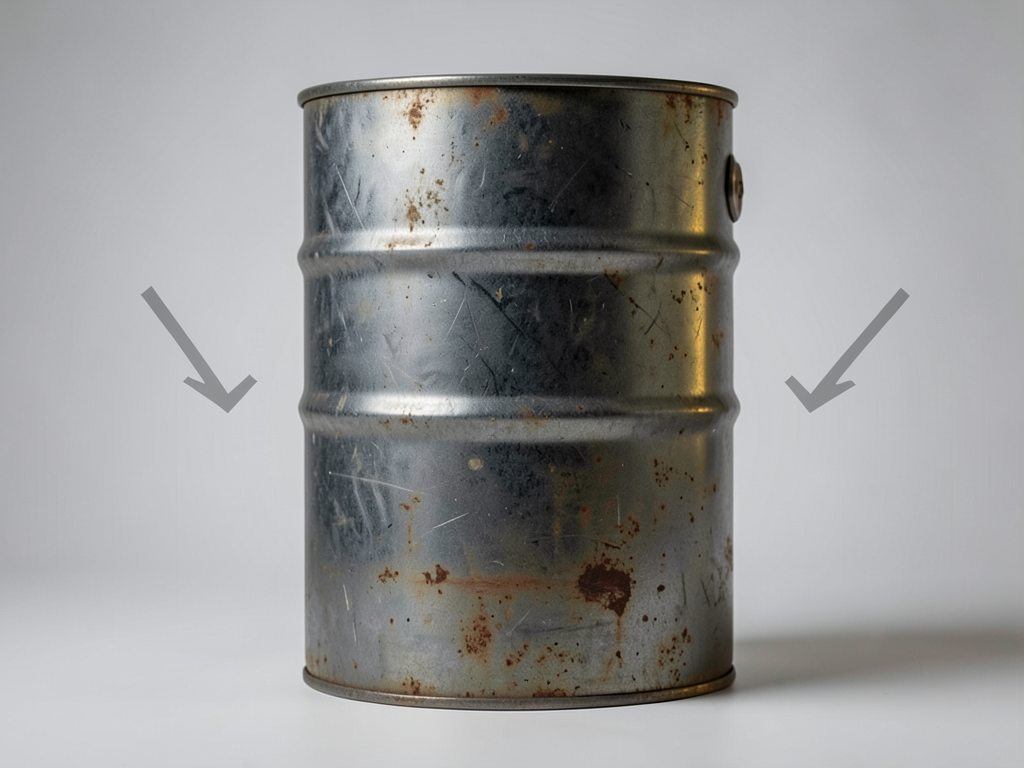
Oil prices tumbled sharply this week and Asian stock markets rallied as growing optimism emerged that the United States and Iran may be nearing a deal to end their three-month conflict—a development that could eventually ease pressure on Pakistan’s strained economy and soaring fuel costs.
Brent crude dropped over 4% to around $93 per barrel by Friday morning in Asian trading, while US benchmark West Texas Intermediate fell to just below $88. The decline came after reports surfaced that Washington and Tehran had reached a tentative agreement for a 60-day ceasefire extension and the start of negotiations over Iran’s nuclear program, though the deal still requires final approval from President Donald Trump.
Stock markets across Asia responded enthusiastically to the news. Tokyo, Seoul, and Taipei indices surged more than 2%, while Sydney climbed 1%. Hong Kong posted modest gains, though Shanghai dipped slightly.
The potential breakthrough follows weeks of volatile oil trading as the conflict disrupted global energy supplies through the Strait of Hormuz, a critical maritime chokepoint that previously carried one-fifth of the world’s oil and liquefied natural gas shipments. Traffic through the strait remains at a fraction of pre-war levels, though recent shipping data shows a few tankers have begun exiting with transponders switched off, heading toward India and China.
Despite the optimism, both sides have tempered expectations of an immediate resolution. Trump stated over the weekend that while the two nations had “largely negotiated” an understanding, he instructed his representatives not to rush into any agreement. Iran’s foreign ministry similarly downplayed hopes for a quick breakthrough, saying nuclear issues were not currently under discussion.
Analysts caution that even if a deal is finalized, the return to normal oil flows could take months as damaged facilities undergo repairs. “The market wants to believe it’s all going to end soon, because the war not ending is quite bad for the world economy,” said Joseph Capurso, a strategist at Commonwealth Bank of Australia. “But you can’t keep running down inventories.”
The conflict has complicated matters for global markets beyond just oil. Wall Street’s recent advances came despite troubling economic indicators, including the Federal Reserve’s preferred inflation gauge rising in April to its highest level since 2023, and first-quarter economic growth being revised downward. The combination reduces the likelihood of interest rate cuts, despite Trump’s repeated calls for lower rates.
Still, some analysts see reasons for cautious optimism. “Recession risks are easing as oil prices moderate and the probability of worst-case scenarios fades,” wrote Matthew Martin of Oxford Economics, though he noted that recent equity gains were driven more by robust earnings in artificial intelligence-related sectors than by reduced war risks.
Meanwhile, the conflict continues to simmer. Even as peace talks proceeded in Doha with Iran’s top negotiator and foreign minister meeting Qatar’s prime minister, US forces conducted strikes in southern Iran against targets including boats attempting to lay mines and missile launch sites, describing them as defensive actions. Iran’s Revolutionary Guards responded by targeting a US airbase.
US crude oil stockpiles fell by 2.8 million barrels last week, marking the sixth consecutive week of declines, according to American Petroleum Institute data. Energy firms have responded to higher prices by adding oil and natural gas rigs for five straight weeks, though the total rig count remains below year-ago levels.
For now, markets remain caught between hope and uncertainty, with traders parsing conflicting signals about whether the three-month conflict will truly end or simply enter another phase of negotiations and sporadic violence.