A dangerous escalation between the United States and Iran has left 20 American military installations damaged across the Gulf region, according to satellite imagery analysis released Monday, even as Pakistan struggles to broker a lasting ceasefire between the two powers.
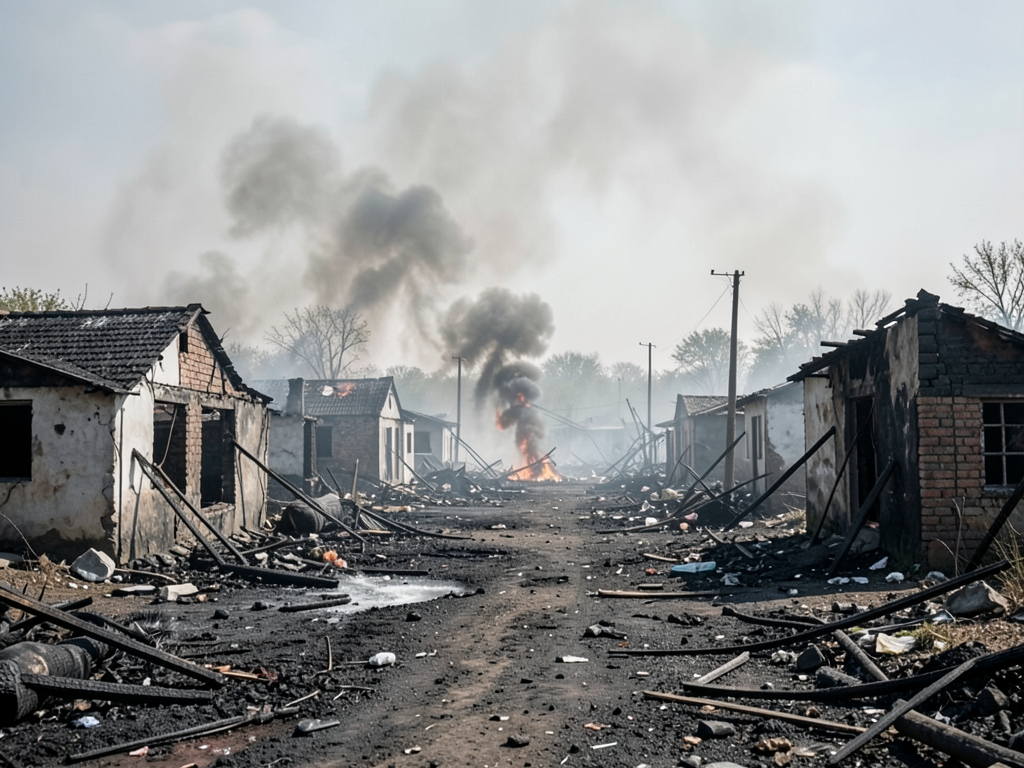
The strikes have hit US facilities in eight countries—Saudi Arabia, the United Arab Emirates, Qatar, Kuwait, Iraq, Jordan, Bahrain, and Oman—revealing a far more extensive Iranian counteroffensive than Washington has publicly acknowledged. Advanced anti-ballistic missile systems, surveillance aircraft, fuel depots, and troop housing have all sustained significant damage since hostilities erupted in late February.
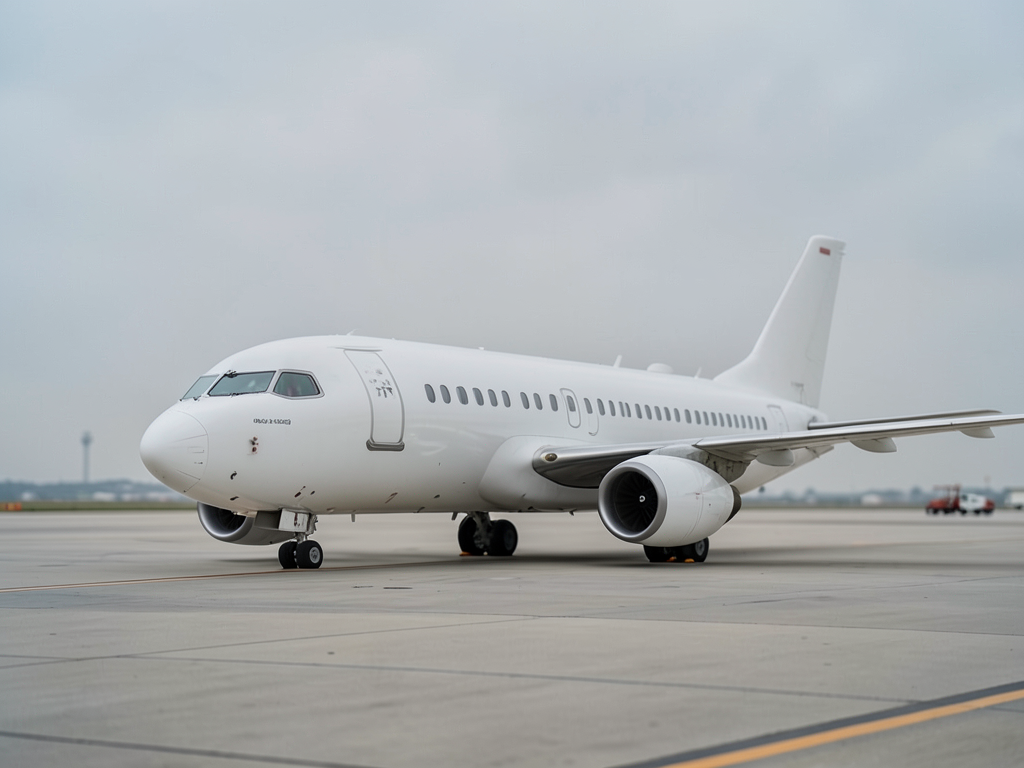
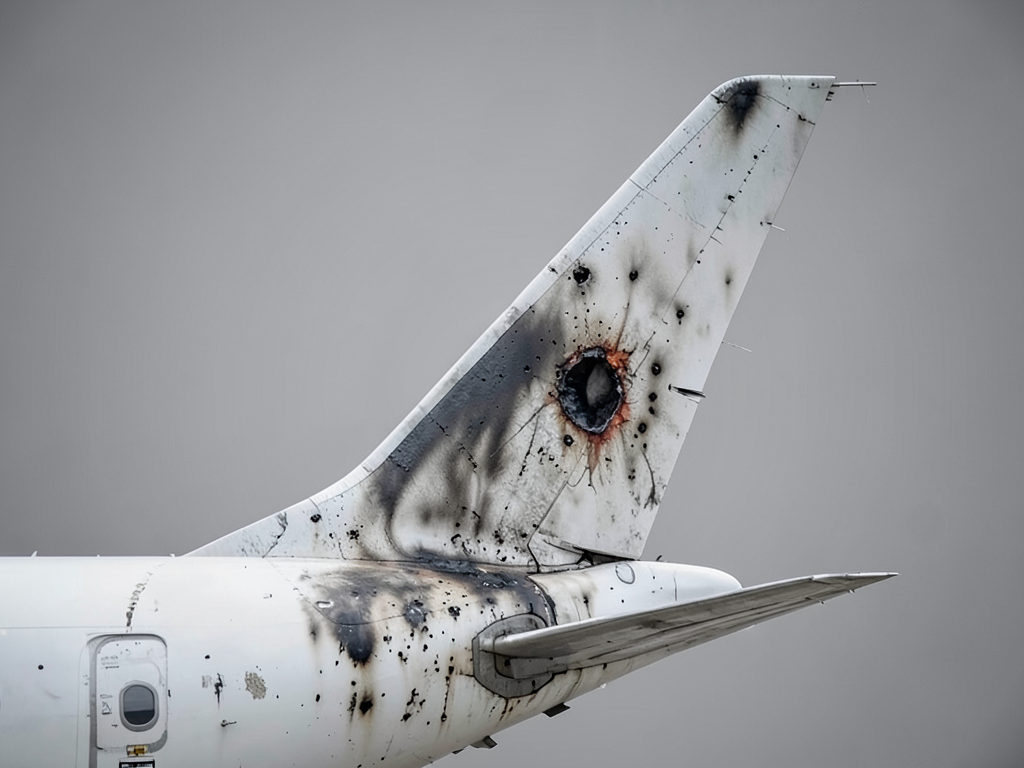
Among the most serious losses: three sophisticated missile defense batteries destroyed at bases in the UAE and Jordan, and a US surveillance plane at a Saudi airbase that could cost up to 700 million dollars to replace. Analysts say the precision and scale of the Iranian attacks suggest Tehran’s military capabilities remain formidable despite American claims to the contrary.
The conflict, which began when the US and Israel launched coordinated strikes on Iran on February 28, has already claimed thousands of lives and sent global oil prices soaring by over three percent on Monday alone. Iran’s closure of the Strait of Hormuz—a chokepoint for roughly a fifth of the world’s oil supply—has triggered economic pain worldwide and put intense political pressure on US President Donald Trump ahead of congressional elections.
Kuwait found itself in the crosshairs Monday, activating air defenses after Iranian missiles and drones targeted a US airbase on its soil. Kuwaiti officials condemned the attack as undermining regional peace efforts.
Pakistan, which successfully mediated a ceasefire that took effect on April 8, has watched its diplomatic efforts unravel in recent weeks. Talks in Islamabad failed to produce a durable agreement, and both sides have since traded accusations of bad faith. Iranian officials accused Washington of constantly shifting positions and sending contradictory messages, while Trump dismissed critics and insisted a deal was near.
The standoff has expanded beyond US-Iran hostilities. Israeli forces pushed deeper into Lebanon on Monday, striking Hezbollah positions in Beirut’s southern suburbs. Prime Minister Benjamin Netanyahu accused the Iranian-backed militia of violating a late-April ceasefire, complicating diplomatic efforts further.
Trump faces mounting domestic pressure to reopen the Strait of Hormuz and lower gasoline prices before voters head to the polls in November. At the same time, hardliners in his own party are resisting any concessions to Tehran. The president’s stated goal is preventing Iran from developing nuclear weapons, though Tehran denies any such ambition.
Key sticking points remain: Iran demands sanctions relief and the release of tens of billions of dollars in frozen oil revenues, while the US insists on curbing Tehran’s uranium enrichment program. The Israeli-Hezbollah conflict in Lebanon adds another layer of complexity.
US Secretary of State Marco Rubio has proposed a gradual de-escalation plan and held talks with Lebanese and Israeli leaders, but progress remains elusive. As diplomatic efforts drag on, the risk of further military confrontation looms large over a region already reeling from months of conflict.