Prime Minister Shehbaz Sharif has extended a bold invitation to Chinese companies: relocate your factories to Pakistan, partner with local entrepreneurs, and tap into a cost-competitive manufacturing base that could reshape both economies.
Speaking at a high-profile business-to-business investment conference in Hangzhou on Sunday, the premier framed the proposal as a strategic opportunity for Chinese firms facing rising labour costs at home. He argued that industries no longer competitive in China due to expensive wages could find new life in Pakistan, where they could set up joint ventures, import machinery, manufacture goods, and export globally.
“This model will be a win-win for Chinese and Pakistani entrepreneurs, and it will be a roaring success in times to come,” Shehbaz said, highlighting sectors like textiles, leather, and agriculture as ripe for collaboration.
The pitch comes during a four-day official visit to China that coincides with the 75th anniversary of diplomatic relations between the two countries. It also marks a pivotal moment for the China-Pakistan Economic Corridor, which is transitioning from its infrastructure-heavy first phase into what officials are calling CPEC 2.0—a new era focused on industrialisation, technology transfer, and inclusive growth.
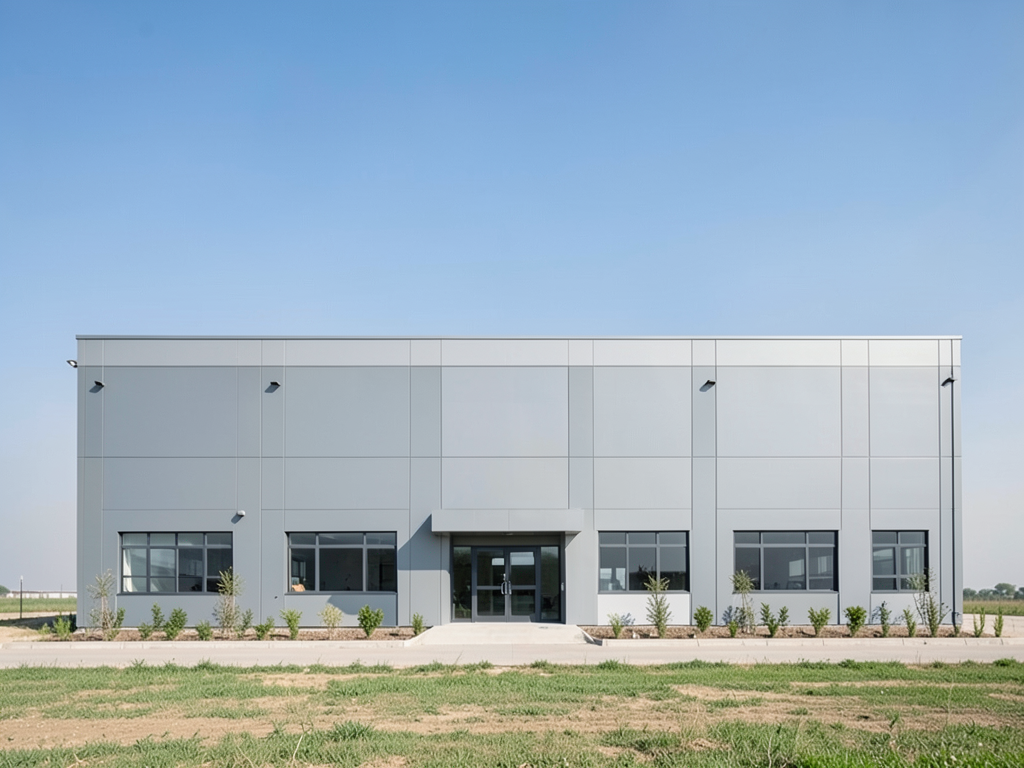
Shehbaz pointed to a massive special economic zone under development in Karachi, spanning over 6,000 acres, where Chinese investors would receive long-term land leases, modern infrastructure, and streamlined regulatory support through a one-window operation. He described the zone as a “red-carpet treatment” for businesses looking to establish a foothold in South Asia.
The prime minister also emphasised Pakistan’s untapped potential in agriculture, noting that China imports roughly $100 billion worth of agricultural products annually, yet Pakistan’s share remains minimal. He set an ambitious target: increasing agricultural exports to China by $10 billion over the next five to seven years. To support this, Pakistan has already sent 1,000 young professionals to China for advanced agricultural training, with plans to scale up cooperation in seeds, mechanisation, and yield improvement.
Mines, minerals, and gemstones were flagged as another area of opportunity, alongside information technology and artificial intelligence, sectors the premier said held “huge potential” for bilateral collaboration.
Chinese officials have described the visit as an “important high-level exchange” aimed at deepening cooperation across the board. Since its launch in 2013, CPEC has brought over $25.9 billion in direct Chinese investment to Pakistan, added more than 8,000 megawatts to the national power grid, and created over 260,000 jobs, according to China’s ambassador to Pakistan.
But the corridor has faced criticism over debt sustainability and slow progress in some areas. CPEC 2.0 is being positioned as a course correction, with a stronger emphasis on private sector engagement, technology, and value-added industries rather than infrastructure alone.
During the Hangzhou conference, Pakistan and China signed multiple memorandums of understanding worth billions of dollars, covering sectors including IT, telecom, battery energy storage systems, and agriculture. Shehbaz stressed the need to convert these agreements into concrete projects quickly.
“We are looking for expertise, experience, and investments—not loans, not aid, not handouts,” he said. “Handouts never made a nation vibrant or able to stand on its own feet.”
The visit, which runs until May 26, is expected to yield further announcements on trade, technology, and strategic cooperation as both nations seek to write what Chinese officials called “a new chapter” in their relationship.