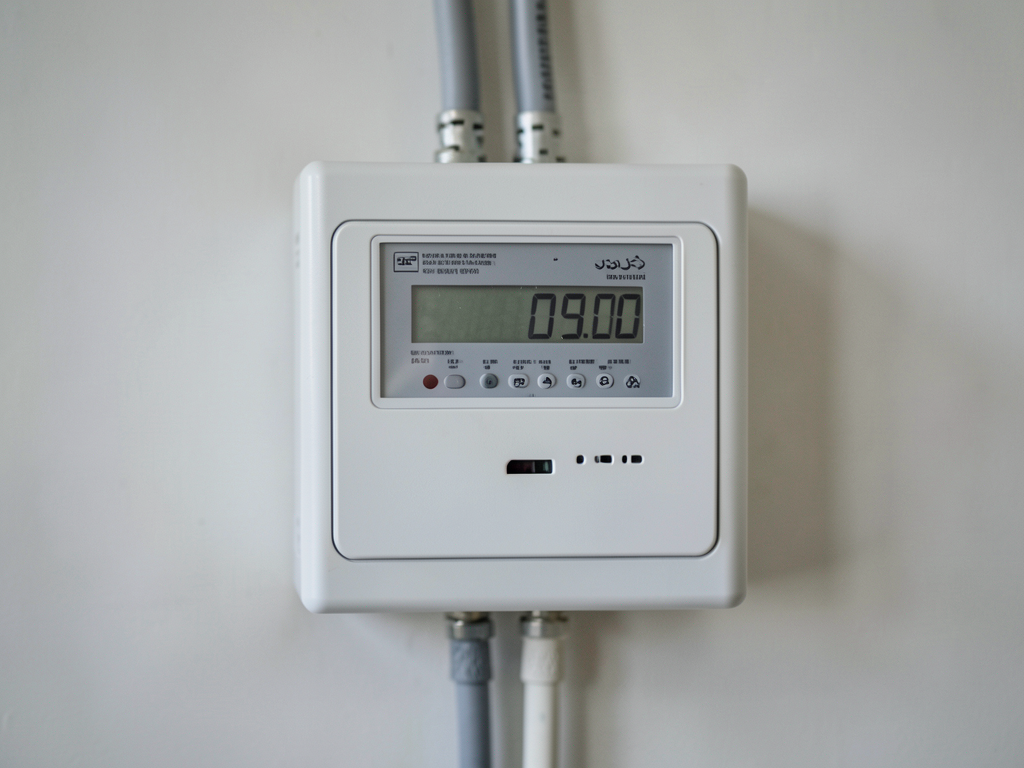
Pakistani electricity consumers are bracing for another painful blow to their monthly budgets as the National Electric Power Regulatory Authority announced a Rs1.11 per unit increase in power tariffs on Wednesday.
The hike, imposed through the monthly fuel cost adjustment mechanism for August, will appear on electricity bills in October and affect consumers across Pakistan, including those in Karachi. The adjustment is expected to transfer approximately Rs19 billion in additional costs directly to the public.
For an average household consuming 300 units per month, this translates to an extra Rs333 on their electricity bill—a significant amount for families already grappling with persistent inflation and rising living costs.
The fuel cost adjustment mechanism allows power distribution companies to pass on fluctuations in generation costs to consumers on a monthly basis. While designed to reflect actual fuel expenses, these adjustments have become a recurring source of financial strain for Pakistani households.
In a small relief, lifeline consumers—those using minimal electricity and typically from lower-income brackets—have been exempted from this latest increase. This category of users will not face the revised tariff, offering some protection to the country’s most vulnerable households.
The timing of this hike is particularly challenging as Pakistan continues to wrestle with broader economic pressures. Electricity costs have emerged as one of the most contentious issues in recent years, with frequent tariff increases sparking public outcry and protests.
Meanwhile, Nepra has launched a separate review of a discounted electricity package offered to industrial and agricultural consumers at Rs22.98 per unit. According to the Power Division, the cost of supplying power under this scheme has now exceeded the fixed tariff rate, creating a financial gap that is currently being absorbed elsewhere in the power system.
This development raises questions about the sustainability of subsidized rates for key economic sectors. If the discounted package is revised upward, it could have ripple effects on manufacturing costs and agricultural production—potentially feeding into broader inflation.
The dual developments underscore the ongoing challenges in Pakistan’s power sector, where balancing affordability for consumers, financial viability for distribution companies, and sustainability of the overall system remains a persistent struggle.
For ordinary Pakistanis, the immediate concern is clear: another month, another increase in an essential utility bill that continues to eat into household incomes with little relief in sight.