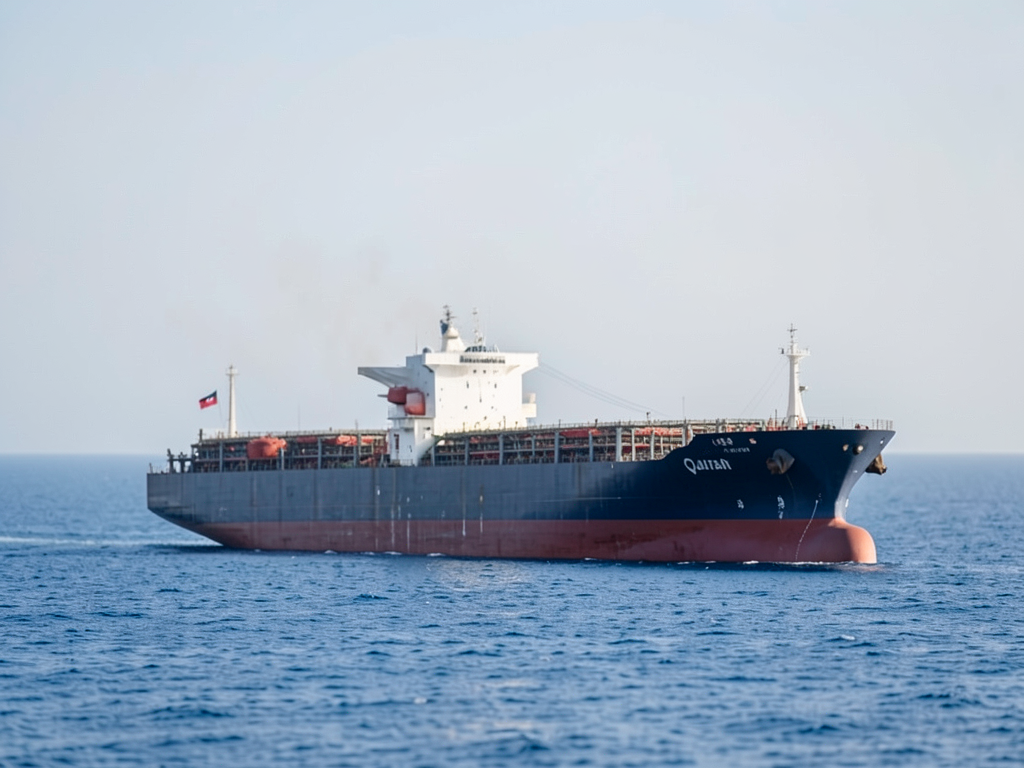
Pakistan is set to receive a crucial liquefied natural gas cargo from Qatar within the next three to five days, offering temporary relief as the country braces for what could become a severe winter energy crisis.
The LNG vessel Al Mafyar has successfully crossed the Strait of Hormuz and reached Omani waters, marking a significant development in Pakistan’s struggle to secure adequate gas supplies amid regional tensions. Because the carrier is a large Q-Max vessel, the cargo will be transferred to a smaller ship—possibly named Ejnan—before arriving at Pakistani shores.
What makes this shipment particularly noteworthy is that Pakistani authorities secured it with reported assistance from Iranian leadership, a diplomatic breakthrough as QatarEnergy has extended its force majeure declaration until November. Officials managed to negotiate a price equivalent to 13.37 percent of Brent crude, a far more favorable rate than current spot market prices hovering between 28 and 30 dollars per million British thermal units.
This pricing difference is critical for Pakistan’s strained finances. A single spot cargo could cost approximately 100 million dollars—a burden the cash-strapped nation can ill afford. If Pakistan successfully arranges two additional cargoes for October through similar ship-to-ship transfers, it may avoid expensive spot purchases this month.
However, the broader picture remains deeply concerning. Government officials estimate Pakistan will need around nine LNG cargoes in December, with demand potentially surging to eleven cargoes in January 2027 when winter gas consumption traditionally peaks. The country’s domestic production stands at roughly 3.2 billion cubic feet per day, far short of total requirements.
Prime Minister Shehbaz Sharif has directed authorities to ensure uninterrupted gas imports despite regional instability and ordered a comprehensive winter load management strategy. During a high-level meeting, officials confirmed that domestic consumers will remain the top priority for local gas supplies, while imported regasified LNG will be directed toward power generation and industrial sectors.
The consequences of potential shortages are already visible. Power load-shedding has increased nationwide as available RLNG proves insufficient for electricity generation. Officials warn that if QatarEnergy’s force majeure continues from mid-November through February 2027, gas supplies could face extreme restrictions across multiple sectors including power generation, export-oriented industries, cement production, and compressed natural gas stations.
Even households currently receiving piped gas may be forced to switch to LPG cylinders if the supply gap widens. This shift could trigger a dangerous price spiral, with officials cautioning that an 11.8-kilogram LPG cylinder could reach 7,000 rupees or more in the open market—compared to current prices exceeding 5,000 rupees, already significantly above regulated rates.
The government plans to launch a public awareness campaign promoting alternative energy sources at the household level and is considering bank financing schemes for electricity-operated water and space heating appliances to reduce pressure on gas reserves.
QatarEnergy’s diplomatic efforts involving the United States and Iran aimed at securing regional stability offer some hope, and reports suggest the company has accumulated numerous empty LNG carriers, indicating intentions to resume large-scale exports. For now, Pakistan’s Engro LNG terminal stands ready to receive the incoming cargo, while the Pakistan GasPort Limited terminal continues processing a shipment that arrived in late September.
The coming weeks will prove critical in determining whether Pakistan can navigate this winter without severe disruptions to households, industries, and power supply.