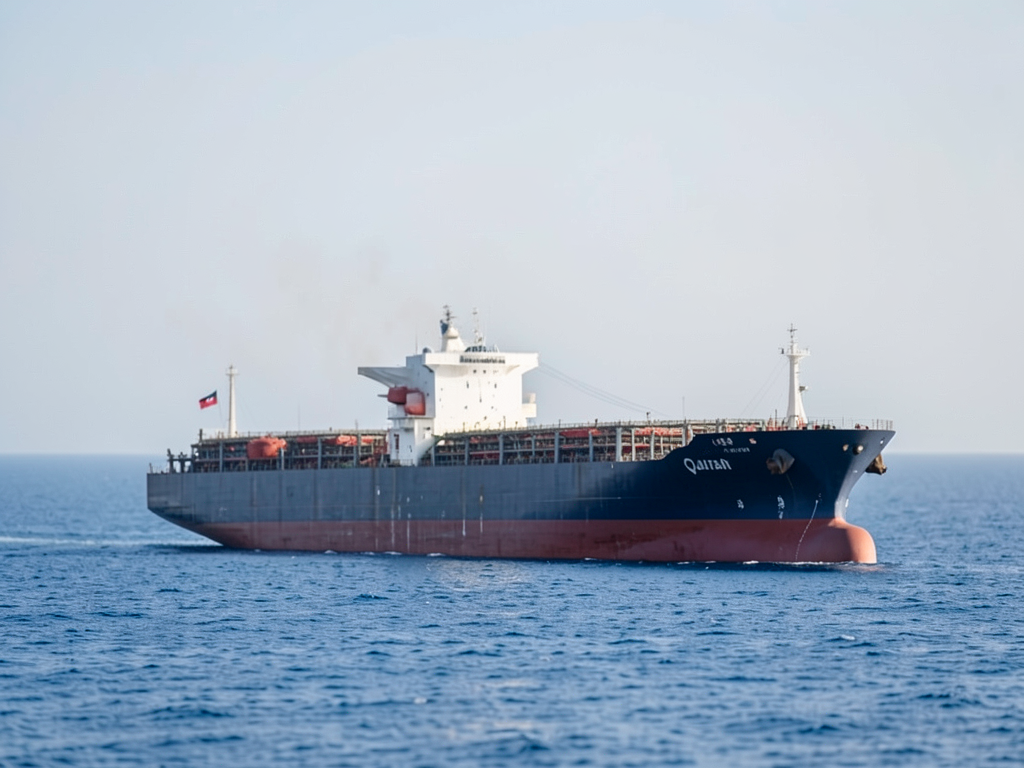
Pakistani consumers are bracing for another hit to their wallets as the Oil and Gas Regulatory Authority (OGRA) announced fresh increases in petroleum product prices, pushing petrol above Rs392 per litre and diesel near the Rs400 mark.
Effective immediately and valid through October 5, petrol now costs Rs392.76 per litre following a Rs2.10 increase, while high-speed diesel has risen by 30 paisas to Rs399.64 per litre. The adjustments come as global oil markets remain volatile due to escalating tensions between Iran and the United States, which have disrupted supply chains and pushed crude prices higher.
For millions of Pakistanis already struggling with elevated living costs, the fuel hike compounds an already difficult inflationary environment. Transportation expenses, food delivery costs, and the prices of everyday goods are all expected to edge upward as a result. The increase affects everyone from daily wage earners commuting on motorcycles to businesses relying on diesel-powered logistics.
Petroleum Minister Ali Pervaiz Malik acknowledged public frustration during a press conference in Islamabad, stating that the government had no choice but to pass on international price pressures. He emphasized that Pakistan’s ruling party has always prioritized national interests and pledged that relief would be extended to citizens as soon as global oil prices decline.
Malik directly linked the fuel price situation to the ongoing conflict in the Middle East, noting that regional instability has affected energy markets worldwide. He assured the public that the government is closely monitoring developments and will act swiftly to reduce prices when conditions allow.
To cushion the blow for lower-income groups, the government continues to operate a Petrol Relief Scheme. Under this program, motorcycle and three-wheeler owners can access a Rs100 per litre discount on up to 20 litres of petrol each month. Owners of small cars with engines up to 800cc are eligible for discounted fuel on up to 30 litres monthly. Registration is done via SMS to 9771, and users receive a token number to redeem the subsidy at participating fuel stations.
Despite these measures, inflation remains stubbornly high. The Sensitive Price Indicator (SPI), which tracks short-term price movements of essential goods, stood at 11.53 percent year-on-year for the week ending October 1. While this represents a slight easing from the previous week’s 11.92 percent, it remains well above comfortable levels. Diesel prices are up 44.50 percent compared to last year, and petrol has surged 44.05 percent.
Food inflation is also uneven. Chicken prices jumped over seven percent in a single week, while onions have more than doubled in cost over the past year. Wheat flour, mutton, and beef have all seen double-digit annual increases. Some relief has come from tomatoes, potatoes, and sugar, which have fallen compared to last year, but these gains are insufficient to offset broader price pressures.
The government faces a delicate balancing act: protecting consumers from runaway costs while managing fiscal constraints and external economic pressures. With global oil markets still unsettled and regional geopolitics uncertain, Pakistani households may need to prepare for continued volatility at the pump in the weeks ahead.