Pakistan’s energy security has come under intense pressure as the country navigates a volatile Middle East oil supply landscape marked by surging crude flows, persistent attacks on tankers, and skyrocketing fuel costs that threaten to push up inflation for millions of consumers.
Crude oil exports from the Middle East climbed above pre-war levels on multiple days in late September, even as attacks on vessels passing through the Strait of Hormuz continued unabated, according to shipping data released this week. On four separate days between September 24 and 29, regional crude exports reached between 19.5 million and 22.5 million barrels per day, exceeding the 18 million barrels per day average recorded before the US-Israeli conflict with Iran erupted in February.
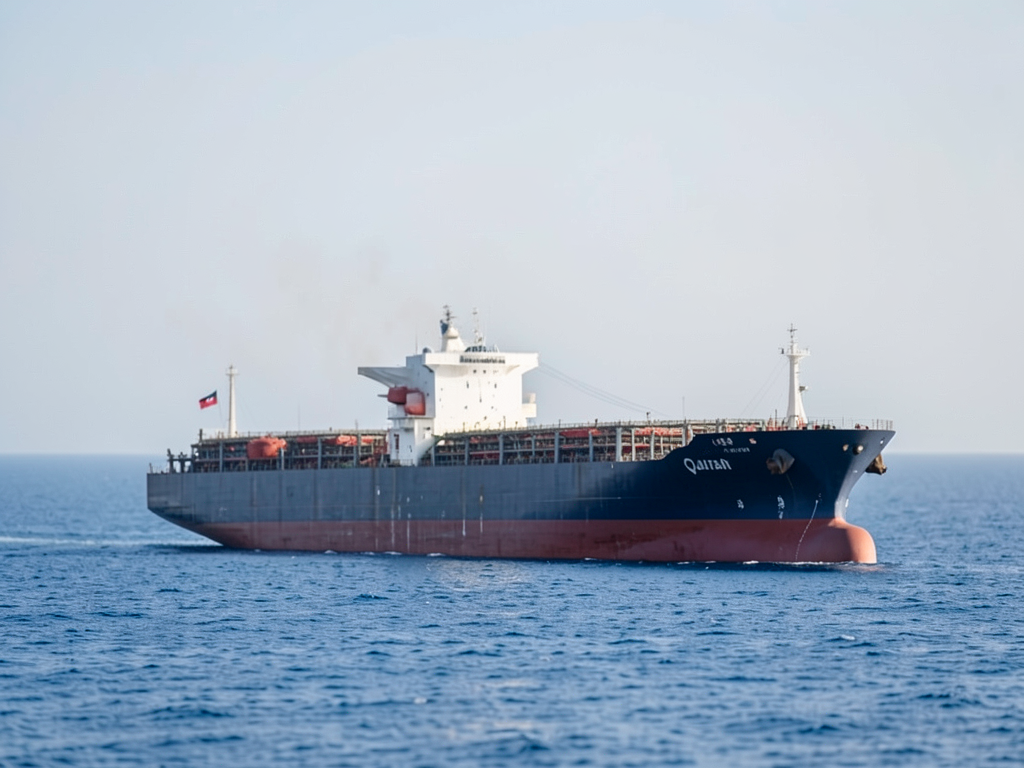
Yet the apparent recovery in oil flows masks a dangerous reality for Pakistan and other energy-importing nations. At least seven attacks on tankers have been reported in and around the Strait of Hormuz in recent weeks, with maritime intelligence firms warning of an “increasingly unpredictable kinetic threat” facing commercial vessels. The very large crude carrier Kazimah III was struck by an unknown projectile on October 1, sparking a fire that forced the evacuation of all crew members.
For Pakistan, the regional turmoil has translated into a painful energy squeeze. The country’s crude oil imports surged 62 percent in August to 1.238 million tonnes, up sharply from 763,702 tonnes in July, as local refineries scrambled to build inventories amid fears of future supply disruptions. Industry sources say refineries that previously ordered three cargoes every month or two have shifted to ordering two cargoes monthly, driven by uncertainty over where crude supplies will come from and how they will be managed.
The situation has been particularly dire for liquefied natural gas imports. Pakistan’s two LNG import terminals have sat largely idle since March, when the Middle East conflict virtually halted shipments from Qatar, the country’s largest LNG supplier. The near-closure of the Strait of Hormuz for gas vessels has drastically cut back LNG deliveries, contributing to rolling blackouts and fuel shortages across the nation.
While Pakistan has turned to the spot market to replace lost Qatari flows, prices have more than doubled compared to pre-war levels, placing enormous strain on government finances already stretched thin. The federal government is now considering allowing power plants and private companies to directly import LNG in a bid to shore up energy supplies without further burdening state coffers.
The global response has been swift but uncertain. Group of Seven countries agreed last week to release 100 million barrels of diesel and crude oil from emergency reserves over four months, with a substantial diesel release planned within 20 days. The move, cheered by US President Donald Trump ahead of November midterm elections, follows an earlier coordinated release of 400 million barrels in March.
Yet analysts caution that the G7 statement represents more of a political gesture than a binding commitment. Maritime intelligence firm Marisks has warned that Iranian forces may be launching missiles into predetermined engagement zones, with weapons potentially locking onto available radar signatures within those areas. Physical presence in the engagement zone at the relevant time could itself represent the primary exposure for commercial vessels.
For Pakistani consumers, the implications are stark. Higher crude import costs and elevated spot LNG prices are likely to feed through into increased fuel and electricity prices, adding to inflationary pressures in an economy already grappling with external financing challenges. With the harvesting season expected to begin in mid-October, demand for petroleum products, particularly high-speed diesel, is set to rise further, potentially exacerbating supply pressures.
The Energy Ministry’s petroleum division has submitted a proposal to greatly expand the scope for auctioning unused capacity at LNG terminals and allow private companies to import directly. Pakistan GasPort Ltd, which operates one of the terminals, has long advocated for non-state-owned firms to be permitted to import LNG.
Earlier this month, Pakistan received a modest boost when a Qatari cargo carrying 81,936 metric tonnes of LNG successfully docked at Port Qasim after crossing the Strait of Hormuz. But with attacks continuing and regional tensions showing no signs of abating, the country’s energy security remains precarious, leaving policymakers scrambling for solutions that can shield consumers from the worst of the global oil market turmoil.