Pakistan’s stock market extended its downward slide on Friday, with the benchmark KSE-100 index closing at 168,155 points after shedding 481 points, or 0.29 percent, in a session marked by cautious trading and external headwinds.
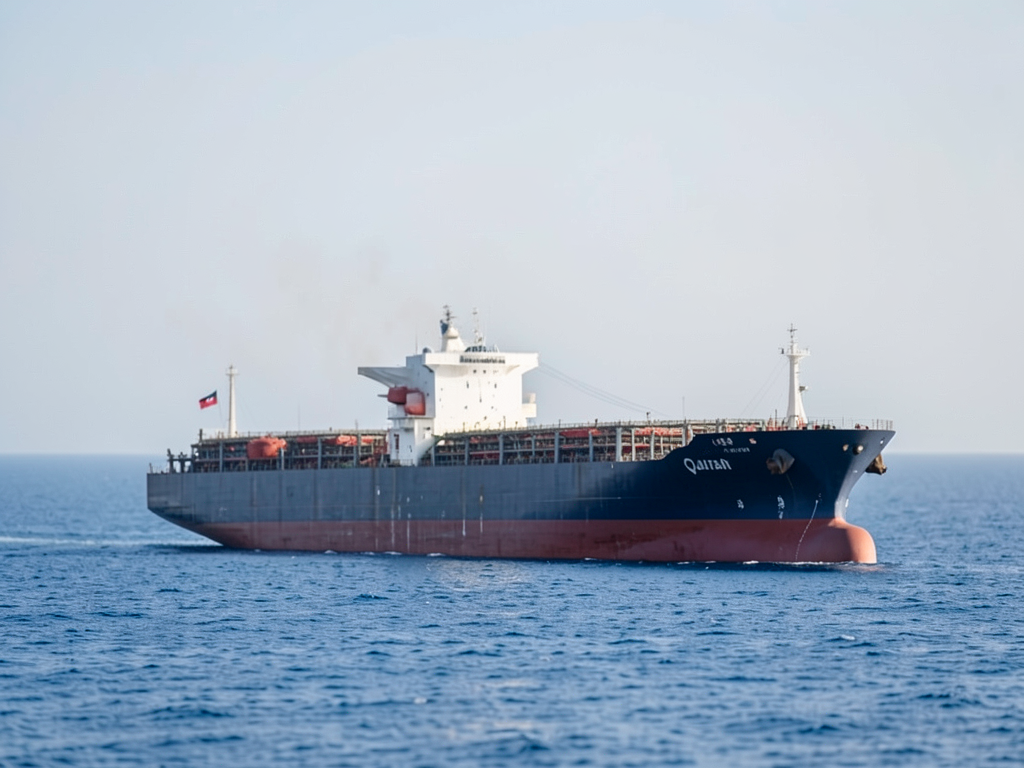
The decline pushed the index below the psychologically significant 169,000 mark, capping a week in which the market lost 1.52 percent. Analysts attributed the weakness to rising global crude oil prices, lingering uncertainty over US-Iran relations, and a lack of fresh domestic catalysts to energize investor sentiment.
Trading activity remained muted, with 494 million shares changing hands compared to 548 million in the previous session. The value of trades stood at Rs17.5 billion. Out of 494 listed companies, 321 declined while only 128 advanced, reflecting broad-based selling pressure across the board.
Heavyweights dragged the index lower. Systems Limited fell 2.11 percent, Meezan Bank dropped 0.88 percent, and Lucky Cement shed 0.63 percent. National Bank of Pakistan and Habib Bank Limited also contributed to the decline. On the positive side, United Bank Limited gained 0.76 percent, Mari Petroleum rose 1.09 percent, and Oil and Gas Development Company edged up 0.39 percent, providing limited support.
Market observers noted that elevated international oil prices are a particular concern for Pakistan, given the country’s heavy reliance on energy imports. Any sustained rise in crude costs threatens to widen the trade deficit and put pressure on foreign exchange reserves, both sensitive issues for an economy still navigating a challenging macroeconomic environment.
Geopolitical tensions, particularly involving the United States and Iran, have added another layer of uncertainty. Investors are wary of potential disruptions to regional stability and energy supplies, which could have ripple effects on Pakistan’s economy and market sentiment.
Despite the short-term volatility, there are signs of growing confidence in Pakistan’s capital markets over the medium term. Finance Minister Muhammad Aurangzeb revealed that the number of investors at the Pakistan Stock Exchange surged by a record 25,281 in September alone, bringing the total investor base to 656,218. This marks a dramatic increase from just over 321,000 investors in March 2024, signaling that more Pakistanis are turning to equities as an investment avenue.
Aurangzeb made the announcement during a ceremony marking the listing of Naya Nazimabad Apartments REIT, highlighting the government’s push to deepen capital markets and mobilize investment for housing, infrastructure, and innovation. He noted that 11 companies had listed on the exchange during the 2026 financial year, the highest number in over two decades, with five more initial public offerings completed in the first quarter of fiscal 2027.
The minister also said Pakistan could achieve a sovereign credit rating upgrade to B+ by the first quarter of fiscal 2027-28, though he cautioned it was too early to say whether the current $7 billion IMF program would be the country’s last.
Separately, Pakistan’s trade deficit for September stood at $3.6 billion, with exports rising 17.6 percent year-on-year to $2.9 billion, while imports climbed 11 percent to $6.5 billion. The data underscores the ongoing challenge of balancing external accounts even as export momentum improves.
Looking ahead, analysts expect the market to test support levels near 166,000 in the coming week unless fresh positive triggers emerge. Foreign investors bought shares worth Rs250.8 million during Friday’s session, a modest inflow that suggests cautious optimism remains despite the near-term headwinds.
For Pakistan’s growing retail investor base, the current volatility presents both risk and opportunity. While external factors continue to weigh on sentiment, the structural reforms underway and expanding investor participation point to a market that is gradually maturing and attracting broader interest.