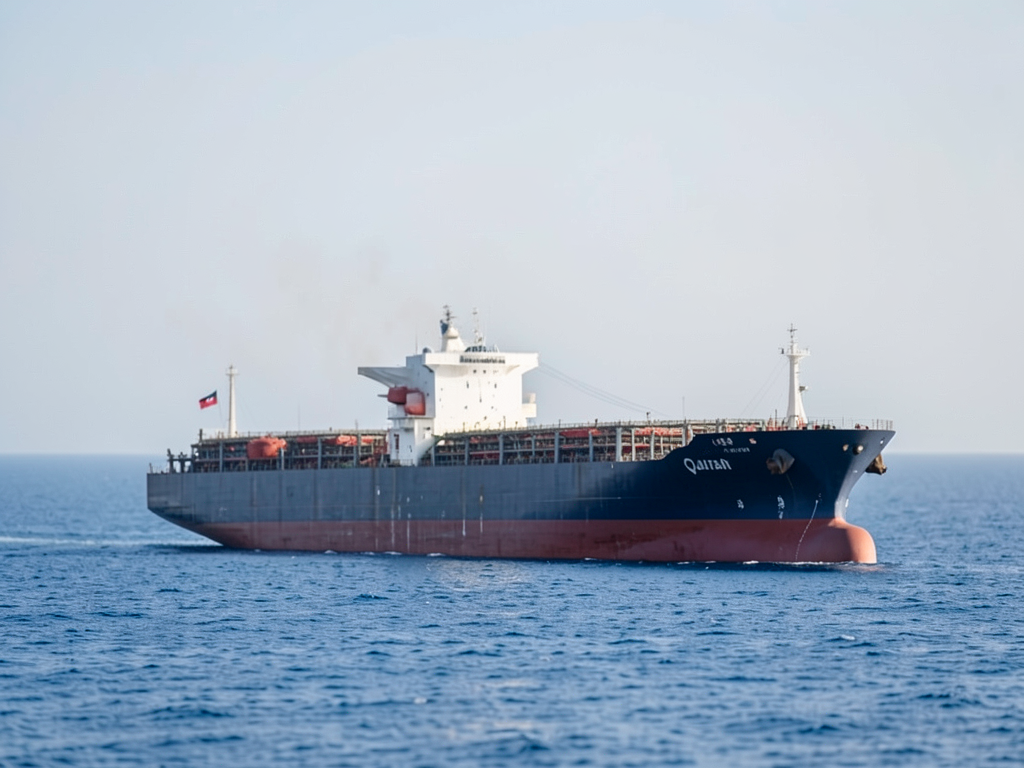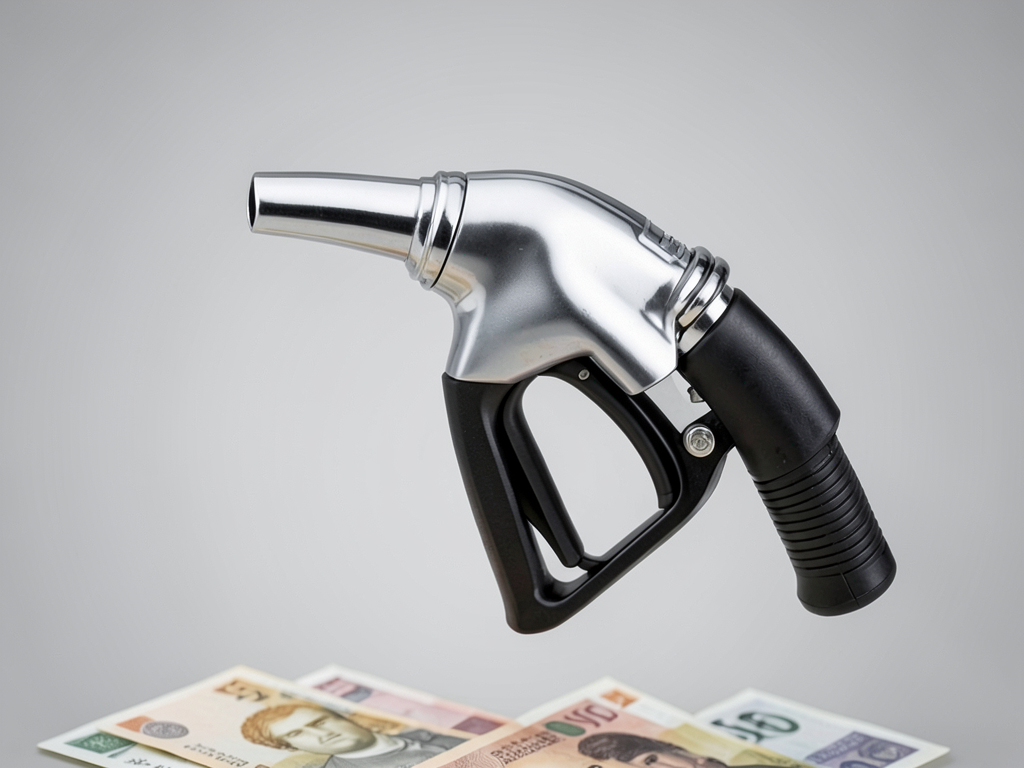
Pakistan finds itself locked in a high-stakes standoff with the International Monetary Fund over fuel subsidies and massive gas sector debts, raising serious questions about the future of the country’s $7 billion bailout program.
Negotiations between Pakistani officials and IMF representatives have reached an impasse during the fourth review of the loan package, with fundamental disagreements emerging over the government’s recently introduced petrol subsidy scheme and how to handle Rs1.4 trillion in outstanding receivables from gas distribution companies.
The IMF is pushing hard for Pakistan to abandon its fuel compensation program, which currently benefits motorcyclists and owners of small cars. Fund officials argue the actual cost of the three-month subsidy could exceed Rs75 billion—significantly higher than government estimates—and insist any relief should be delivered through tightly targeted mechanisms rather than broad-based schemes.
Despite the pressure, government sources indicate the subsidy will likely continue for its planned three-month duration, though extending it beyond that period appears increasingly unlikely. The disagreement strikes at the heart of Pakistan’s commitment to avoid fuel subsidies, a pledge made when securing the IMF program but violated last month when the relief scheme launched.
Petroleum Division officials defend their position by pointing to what they call unfair pricing. They presented IMF negotiators with a detailed cost breakdown showing imported petrol costs roughly Rs250 per litre before taxes, yet consumers pay Rs390 after the government adds nearly Rs110 in taxes and Rs27 in various margins.
The IMF mission acknowledged progress in gas sector reforms, particularly reduced losses from unaccounted gas and improved debt management. However, fund representatives remain adamant that Pakistan must write off delayed payment receivables in the gas sector—a position the Petroleum Division flatly rejects, citing binding commitments to gas distribution and exploration companies.
The dispute over gas sector circular debt, estimated at Rs3.6 trillion, has become equally contentious. IMF officials previously demanded Pakistan write off inter-corporate debt and waive late-payment surcharges totaling Rs1.7 trillion. They’ve also objected to using Rs850 billion in gas company dividends to settle debts, arguing the approach isn’t fiscally neutral.
Prime Minister Shehbaz Sharif formed a special committee to implement petroleum sector structural reforms, but months of meetings between March and July produced no breakthrough. A crucial discussion on the circular debt management plan, originally scheduled for this week, was postponed until next week.
The Petroleum Division has proposed settling the circular debt through tariff differential claims, allowing gas companies to pay off major exploration firms. However, the Finance Division has struggled to arrange follow-up meetings with IMF technical staff to explore alternatives.
One potential solution—raising gas prices—has been rejected by the government because it would impact all consumers regardless of income level, creating political and social risks the administration appears unwilling to accept.
With Article-IV consultations also underway, the coming days will prove critical in determining whether Pakistan can bridge these differences with the IMF or face potential disruption to the loan program that remains vital to the country’s economic stability.