Pakistani investors endured a punishing week as the Pakistan Stock Exchange suffered steep losses across three consecutive sessions, driven by a toxic mix of surging oil prices, escalating US-Iran tensions, and domestic political uncertainty.
The benchmark KSE-100 index tumbled a combined 2,638 points between Tuesday and Friday, closing at 168,155 on Friday—down 481 points in the final session alone. The index breached the psychologically critical 170,000 level and erased gains built up over previous weeks, leaving market participants anxious about the road ahead.
Friday’s session was marked by exceptionally low trading volumes, with only 147 million shares changing hands. Selling pressure concentrated heavily on commercial banks, technology firms, cement manufacturers, and select fertiliser companies. Major losers included Systems Limited, Meezan Bank, Lucky Cement, National Bank of Pakistan, and Habib Bank Limited. Meanwhile, United Bank Limited, Mari Petroleum, and Oil and Gas Development Company provided modest support.
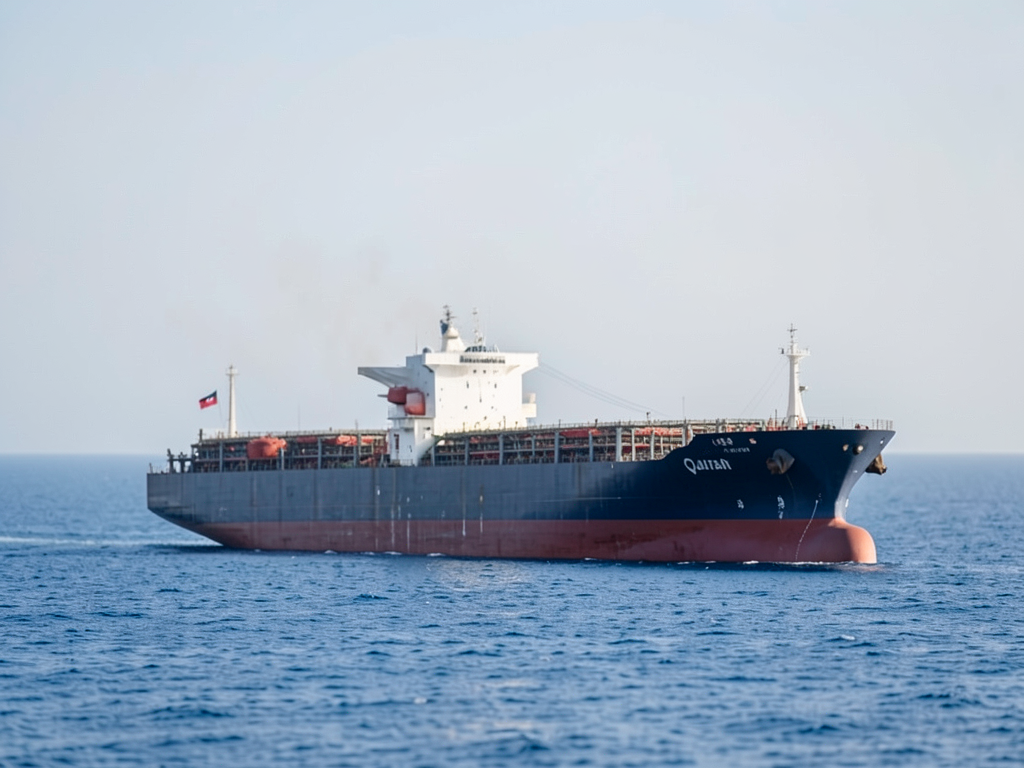
The downturn accelerated on Thursday when the index shed 1,332 points in a single day, reversing early morning gains as crude oil prices surged approximately 2 percent globally. China’s decision to suspend oil product exports tightened already strained fuel markets, amplifying fears of supply shortages. Investors remained on edge over stalled diplomatic efforts to resolve the US-Iran standoff, which threatens vital shipping routes through the Strait of Hormuz.
For Pakistan, the stakes are particularly high. The country relies heavily on energy imports, and any disruption in the Strait of Hormuz—a critical chokepoint for global oil supplies—could send fuel costs soaring. Reports emerged that Pakistani officials are negotiating with Iranian counterparts to secure safe passage for two October shipments of Qatari liquefied natural gas through the contested waterway.
Domestic factors also weighed heavily. Pakistan’s headline inflation climbed to 10.26 percent in September, down slightly from 11.1 percent in August but still above the State Bank’s medium-term target. The government is currently engaged in critical review talks with the International Monetary Fund over the fourth assessment of the $7 billion Extended Fund Facility. Finance Minister Muhammad Aurangzeb met with the IMF mission amid mounting external pressures.
Political noise added another layer of uncertainty. Ongoing negotiations between the government and opposition aimed at reducing tensions have kept investors cautious. Market analysts warn that without fresh positive triggers—particularly progress on the US-Iran front or domestic political stability—volatility is likely to persist.
Analysts at KASB KTrade noted that mixed sectoral performance reflected cautious positioning by market participants. AKD Securities suggested that easing inflationary pressures and a strong external account position could eventually restore confidence, but only if geopolitical risks subside and trade flows from Gulf Cooperation Council nations normalize.
Foreign investors offloaded shares worth Rs132.8 million during Tuesday’s session alone, signaling waning confidence. Trading volumes fluctuated wildly across the week, peaking at 568 million shares on Tuesday before collapsing to 147 million by Friday.
Experts recommend focusing on banks, exploration and production companies, fertilisers, textiles, oil marketing firms, technology, steel, and automobile sectors. However, they caution that any recovery hinges on resolving the gas-sector circular debt and achieving breakthroughs on the geopolitical front.
For now, Pakistani investors face a tense waiting game as global oil markets, regional diplomacy, and domestic politics converge to shape the market’s near-term trajectory.