Pakistan’s government is preparing a significant energy policy overhaul that could finally allow power generation companies to import liquefied natural gas directly, breaking a longstanding state monopoly that has left expensive terminal infrastructure sitting idle even as the nation battles electricity blackouts.
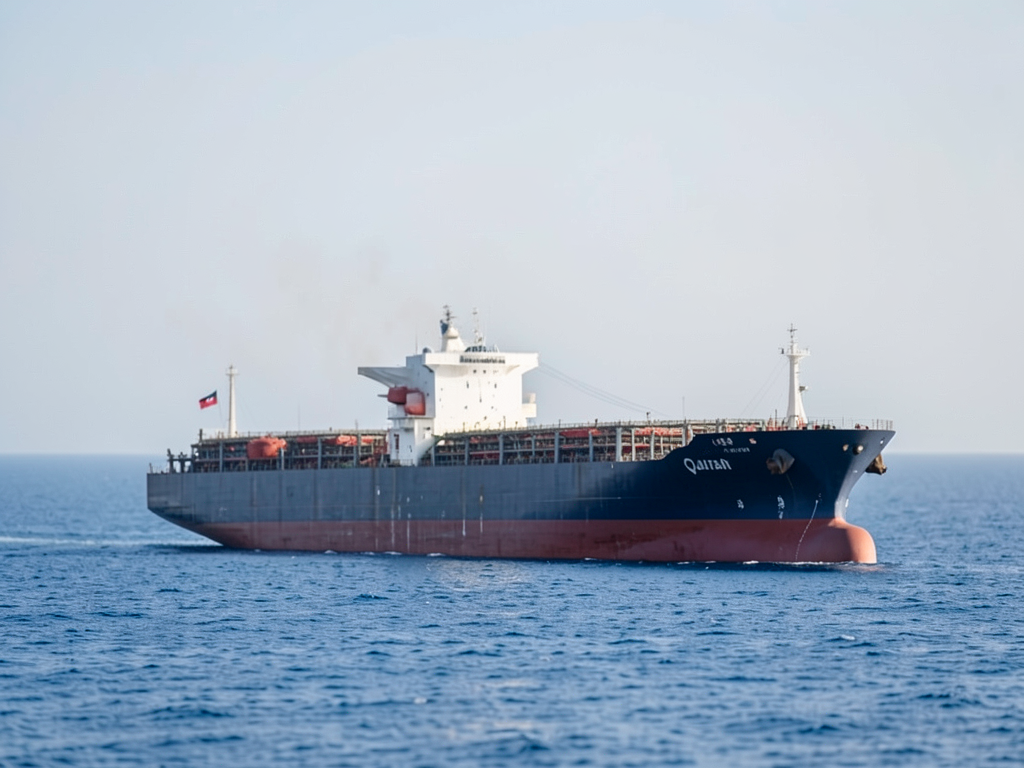
The proposed reform comes as Pakistan grapples with severe power outages triggered by acute natural gas shortages. The crisis has intensified following disruptions to LNG shipments through the Strait of Hormuz, where escalating tensions between the United States and Iran have choked off a critical energy supply route for South Asian importers.
Under the current system, Pakistan LNG Limited maintains exclusive control over the country’s two LNG import terminals and decides how their capacity gets allocated. Despite this monopoly, PLL has never managed to fully utilize the terminals’ combined capacity of approximately 630 million cubic feet per day, with peak capability reaching 690 mmcfd.
Meanwhile, Pakistani consumers and businesses have been paying over 200,000 dollars daily in capacity charges to these underutilized facilities—payments that continue regardless of whether any gas actually flows through the system. This arrangement mirrors the controversial independent power producer model that has burdened Pakistan’s electricity sector with massive capacity payments.
The Petroleum Division has now submitted a proposal to the Economic Coordination Committee recommending that state entities be permitted to auction operationally available terminal capacity for specified periods and quotas. The change would allow power plants to secure their own LNG supplies rather than depending entirely on government procurement.
The timing proves critical. Even before the current Hormuz crisis, Pakistan had agreed with Qatar to divert 24 contracted LNG cargoes to other destinations this year due to weak domestic demand. When that demand suddenly spiked following the US-Iran confrontation, Qatar suspended shipments, leaving PLL scrambling to arrange spot market cargoes at record-high prices.
The proposed policy revision would implement third-party access rights outlined in Pakistan’s 2011 LNG Policy, which theoretically allows private parties to use terminal capacity under regulated or negotiated terms. However, these provisions have remained largely dormant, with state entities maintaining tight control.
For Pakistan’s struggling economy, the reform carries substantial implications. Chronic electricity shortages have hammered industrial production, discouraged foreign investment, and frustrated households already dealing with inflation and economic uncertainty. Allowing power plants to bypass bureaucratic bottlenecks and secure fuel independently could improve electricity supply reliability.
The move also reflects growing recognition that Pakistan’s centralized energy procurement model has failed to deliver results. By opening terminal access to competitive bidding, the government hopes market forces might achieve what state management has not: consistent fuel supplies at reasonable prices.
Whether the Economic Coordination Committee approves the proposal remains to be seen, but the urgency of Pakistan’s energy crisis appears to be forcing policymakers toward structural reforms they have long resisted.