Pakistan has issued one of its strongest foreign policy declarations in years, with Defence Minister Khawaja Asif announcing that any adversary of Saudi Arabia will be treated as an adversary of Pakistan itself.
In a forceful statement to international media on Wednesday, Asif made clear that Islamabad stands ready to deploy all available military resources to defend the Kingdom against threats, particularly from Yemen’s Houthi movement, which has intensified attacks on Saudi territory in recent months.
“There is absolutely no doubt in our mind that Houthis are committing aggression against Saudi Arabia, and we are there to help Saudi Arabia in any conflict,” Asif stated, adding that Pakistan’s commitment extends to threats from any group or nation targeting Saudi security.
The defence minister’s remarks carry significant weight given Pakistan’s recent entry into the Makkah Defence Alliance, a trilateral security pact signed with Saudi Arabia and Turkey in August. Under this agreement, an armed attack on any member state triggers a collective defence obligation from all three nations—a framework similar to NATO’s Article 5.
“Whatever means are available at our disposal will be available to Saudi Arabia also,” Asif emphasized, leaving little ambiguity about Pakistan’s willingness to commit military assets if required.
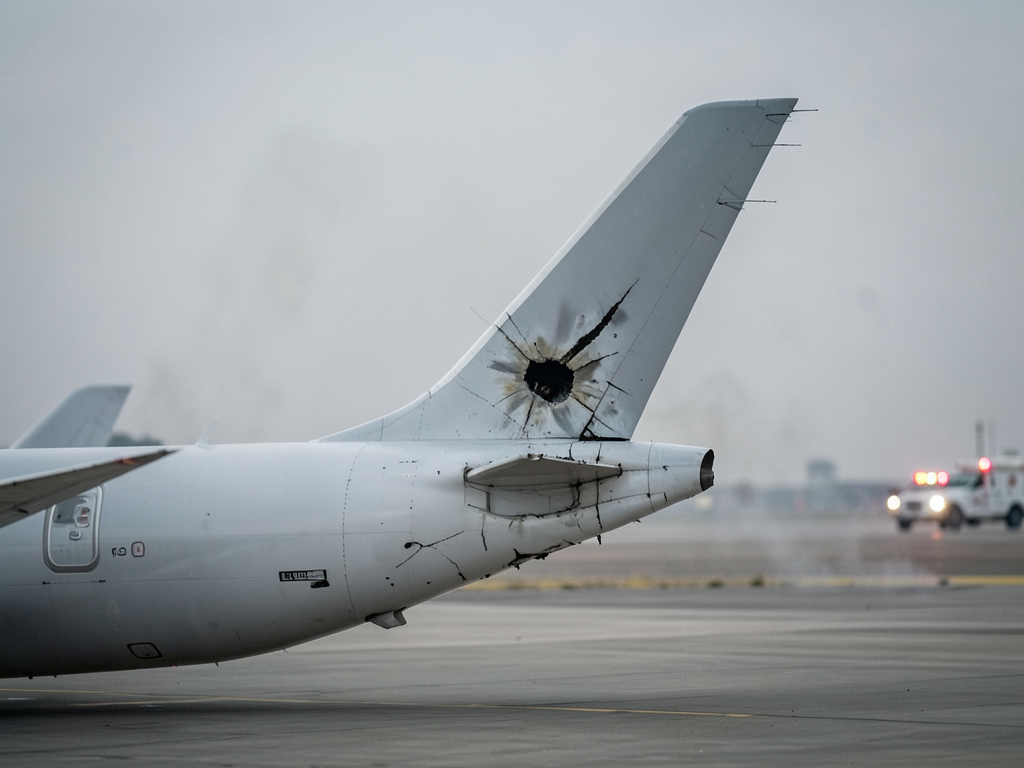
The timing of these statements reflects mounting regional tensions. Since July, Houthi forces have launched repeated missile and drone strikes against Saudi targets, including airports, energy infrastructure, and military installations. The group announced a naval blockade of the Kingdom and has targeted Saudi-linked vessels in the Red Sea, disrupting regional shipping routes.
Saudi air defence systems have intercepted many projectiles, but the persistent attacks have raised alarm in Riyadh and among its allies. Earlier this month, an attempted drone strike near Makkah itself prompted urgent consultations among Makkah Alliance members.
Asif addressed the sensitive question of Iran’s relationship with the Houthis, noting that Tehran does not publicly acknowledge the group as its proxy. He suggested that armed groups sometimes evolve beyond their original sponsors’ control, becoming independent actors with their own agendas.
“Some country launches a proxy, and then the proxy has its own way of multiplying and becoming a rogue sort of entity,” the minister explained, carefully avoiding direct accusations against Iran while acknowledging the complex dynamics of regional proxy warfare.
The defence minister also invoked religious duty, stating that protecting Makkah and Madinah represents an obligation that transcends formal agreements. “If Makkah is attacked, there is no need for an agreement to protect it,” he said, framing Pakistan’s commitment in both strategic and spiritual terms.
Pakistan’s unequivocal support for Saudi Arabia reflects decades of close bilateral ties, including significant Saudi financial assistance to Pakistan and the presence of millions of Pakistani workers in the Kingdom. However, this latest pledge represents a notable escalation in Pakistan’s willingness to take sides in Middle Eastern conflicts.
The Makkah Defence Alliance marks a departure from Pakistan’s previous attempts to maintain neutrality in regional disputes. In 2015, Islamabad declined Saudi requests to join the military coalition fighting Houthis in Yemen, citing the need to avoid sectarian entanglements and maintain relations with Iran.
Senior military leadership from all three alliance members met last week to reaffirm their collective defence commitments following the Makkah incident. Saudi Defence Minister Prince Khalid bin Salman held separate discussions with Pakistan’s Chief of Army Staff Field Marshal Asim Munir to coordinate responses to ongoing threats.
The Houthis have demonstrated increasing military capabilities in recent years, including the devastating 2019 drone attacks on Saudi Aramco facilities that temporarily cut the Kingdom’s oil production by half. Their continued strikes suggest the group remains undeterred by Saudi defences or international pressure.
For Pakistan, the commitment to defend Saudi Arabia carries potential risks, including possible retaliation from Houthi-aligned forces and complications in its relationship with Iran, with which it shares a long border. However, Asif’s statements indicate that Islamabad has calculated these risks and chosen to prioritize its alliance with Riyadh.
The defence minister’s declaration that “any enemy of Saudi Arabia is an enemy of Pakistan” represents perhaps the most explicit security guarantee Pakistan has extended to any foreign nation, signaling a significant shift in the country’s foreign policy posture in the Middle East.