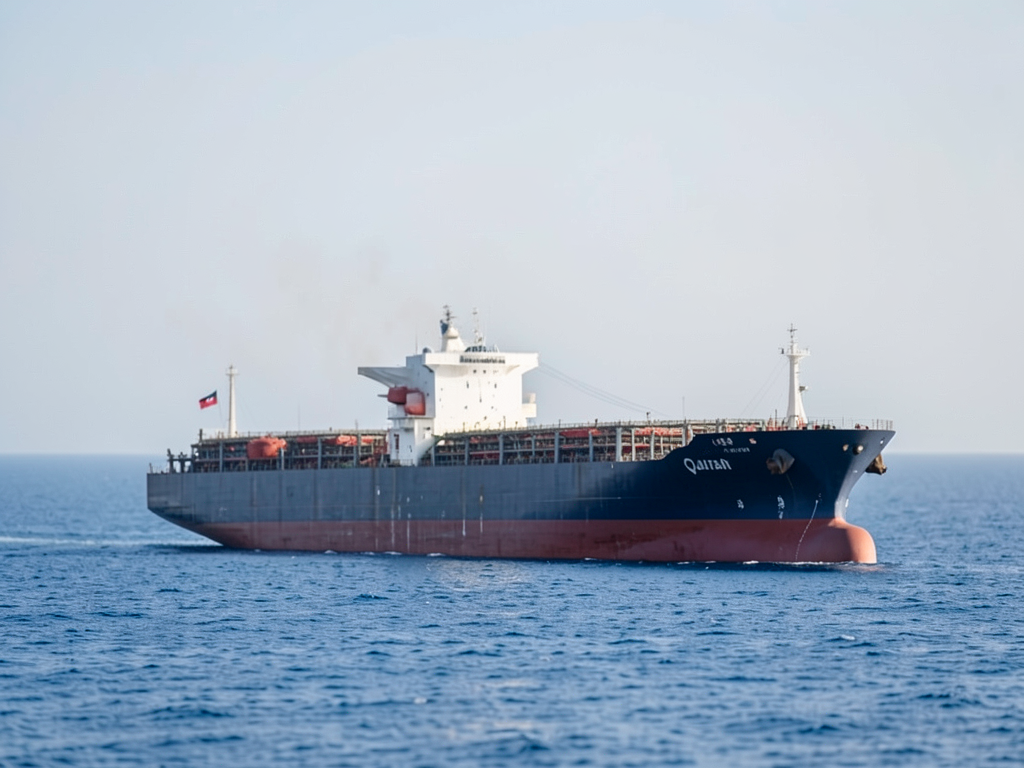
Pakistan faces mounting pressure from the International Monetary Fund to overhaul its subsidy system, accelerate energy sector reforms, and meet agricultural income tax targets as negotiations continue over the release of a crucial $1.2 billion loan tranche.
IMF Mission Chief Iva Petrova told Pakistani officials on Tuesday that any fuel relief measures must be channeled through the Benazir Income Support Programme rather than blanket schemes, emphasizing the need for targeted assistance in the wake of Middle East tensions driving up global oil prices.
The remarks came during a symbolic kick-off meeting held on the seventh day of talks between Pakistan and the IMF in Islamabad. Finance Minister Muhammad Aurangzeb attended virtually from abroad as the fund conducted its fourth review of the Extended Fund Facility and third review of the Resilience and Sustainability Facility.
Currently, Pakistan charges Rs110 per liter on petrol and Rs101 on diesel, meaning no actual subsidy exists despite the government’s fuel compensation scheme. The IMF did not oppose relief measures outright but insisted they follow established mechanisms like BISP to ensure benefits reach those most in need.
Petrova also highlighted Pakistan’s failure to meet quarterly and annual spending targets on education and health, which fell Rs370 billion short of the nearly Rs3.5 trillion target in the last fiscal year. She demanded clarity on an Rs853 billion statistical discrepancy between federal and provincial government accounts.
On the energy front, the IMF called for faster action to contain circular debt, which Pakistan aims to keep at around Rs1.6 trillion under a zero-inflow target. The gas sector has operated under a cross-subsidy mechanism that protects vulnerable residential consumers but inflates tariffs for industry and commerce. Unlike the power sector, where the government budgets large subsidies, the gas sector has lacked budgeted support since 2013, limiting the ability of utilities to lower prices.
Pakistani officials briefed the fund that regional instability has affected the energy sector and informed the IMF that the country expects to secure around $15 billion in foreign financing during the current fiscal year. Pakistan made $2.2 billion in external debt payments in July alone, including $1.4 billion to Chinese commercial lenders.
Total external debt payments are projected at $21.5 billion for the fiscal year, including approximately $3.5 billion in interest—about $5 billion lower than the previous year. Officials noted that the State Bank of Pakistan has purchased $28 billion from the market over the past three years, including $9 billion last fiscal year, and that repayment pressures should ease in the coming months.
On agricultural income tax, the IMF expressed concerns over revenue targets, but the federal government defended farmers, arguing that most are not financially capable of paying income tax due to high production costs and ongoing losses. Provincial governments are reportedly taking steps to increase agricultural tax collection, though the fund remains skeptical.
The Federal Board of Revenue briefed the IMF on digitalization efforts and measures to boost non-tax revenue in provinces to meet surplus targets. A special session on Pakistan’s auto policy is also scheduled as part of the ongoing negotiations.
With over 6 million citizens registered under the fuel relief scheme and 4.8 million tokens redeemed by last Friday, the government has removed the five-liter limit for motorcycles, rickshaws, and Qingqis following public feedback. Prime Minister Shehbaz Sharif raised the issue with IMF Managing Director Kristalina Georgieva last week, emphasizing the pressure on ordinary Pakistanis from soaring fuel prices.
The outcome of these talks will determine whether Pakistan secures the $1.2 billion tranche and stays on track with its broader economic reform program, which remains critical to stabilizing the country’s finances and restoring investor confidence.