Pakistani investors faced a turbulent trading session on Tuesday as the Pakistan Stock Exchange benchmark KSE-100 index plunged 825 points, closing at 169,600 amid escalating geopolitical tensions and mounting economic pressures.
The sharp decline came despite an optimistic start to the day. The index initially surged over 324 points in early trading, touching an intraday high of 170,944, before reversing dramatically as broad-based selling swept through the market. By closing bell, the benchmark had shed nearly half a percent of its value.
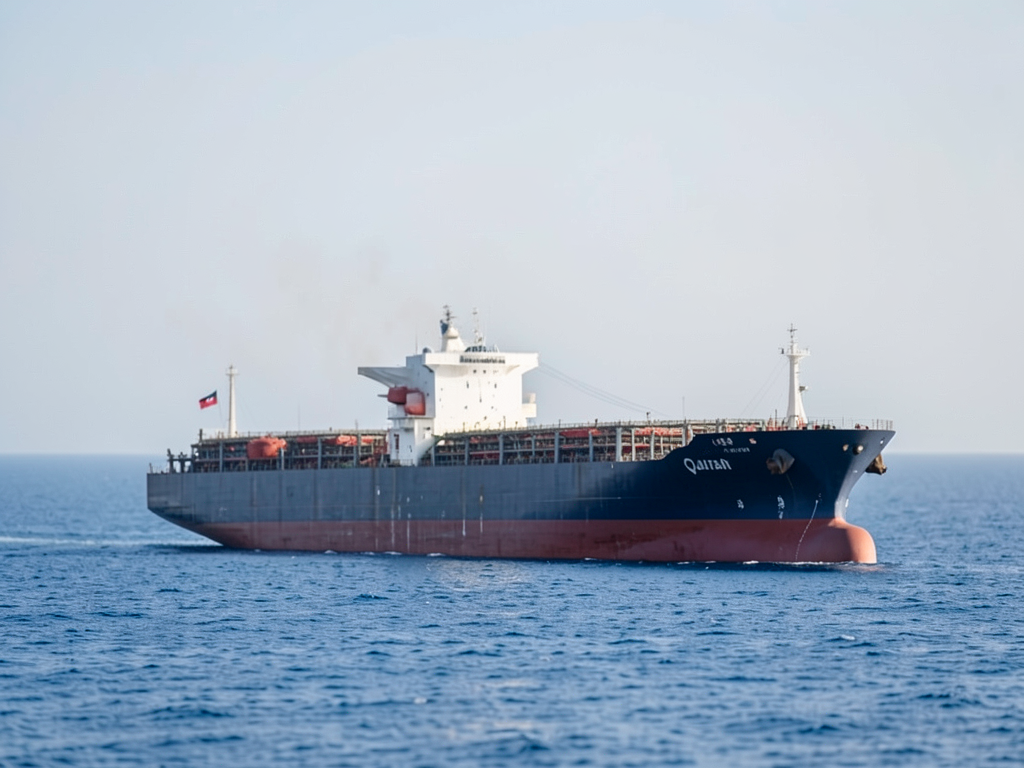
The primary catalyst behind the market turmoil was the unresolved diplomatic crisis between the United States and Iran, particularly concerning the Strait of Hormuz—a critical chokepoint through which a significant portion of global oil supplies passes. US President Donald Trump’s rejection of Iranian proposals to de-escalate the conflict sent shockwaves through energy markets, pushing Brent crude prices up more than three percent.
For Pakistan, the implications are immediate and severe. The country relies heavily on imported oil and any sustained spike in global energy prices directly threatens its fragile external account balance and inflation outlook. With oil prices remaining elevated due to supply uncertainty from the Middle East, Pakistan faces the prospect of a ballooning import bill just as it navigates a critical phase of its IMF programme.
Adding to investor anxiety, Pakistan and the International Monetary Fund formally launched discussions for the fourth review of the country’s seven billion dollar Extended Fund Facility and the third review under the Resilience and Sustainability Facility. Finance Minister Muhammad Aurangzeb met with the visiting IMF mission against a backdrop of heightened external risks stemming from regional conflict and rising energy costs.
Market analysts noted that the combination of geopolitical uncertainty and domestic economic scrutiny kept investors firmly on the sidelines. Initial strength in automobile assemblers, cement manufacturers, commercial banks, fertiliser producers, and oil exploration companies evaporated as caution took hold.
Trading activity told the story of widespread concern. Volume surged to 568 million shares from the previous session’s 421 million, while the value of traded shares reached nearly 21 billion rupees. Out of 496 companies traded, 305 closed lower, 154 advanced, and just 37 remained unchanged—reflecting the breadth of the selloff.
Specific stocks showed divergent performance. Technology firm TRG Pakistan, Fauji Fertiliser, Oil and Gas Development Company, Attock Refinery, and Hub Power provided some support, collectively adding 264 points. However, these gains were overwhelmed by heavy selling in United Bank Limited, Habib Bank Limited, Lucky Cement, Engro Holdings, and Mari Energies, which dragged the index down by 321 points.
Market observers expect continued volatility in the coming sessions. Analysts suggest that any easing of geopolitical tensions or decline in oil prices could trigger selective buying, but the overall sentiment remains fragile. High energy prices, external sector vulnerabilities, and the outcome of IMF review discussions will be critical factors determining market direction.
The Monday session had already set a cautious tone, with the index dropping 340 points as investors digested news of the failed US-Iran diplomatic efforts. The persistent uncertainty around the Strait of Hormuz and potential disruptions to Middle Eastern oil supplies kept market participants nervous throughout both sessions.
For ordinary Pakistanis, the stock market decline reflects broader economic anxieties. Higher oil prices threaten to push up transportation costs, electricity tariffs, and general inflation—all at a time when household budgets are already stretched thin. The IMF review adds another layer of uncertainty, as any programme slippage could trigger currency depreciation and further economic instability.
Foreign investors remained net sellers, offloading shares worth nearly 100 million rupees, according to National Clearing Company data—a sign that international confidence in Pakistan’s near-term economic outlook remains shaky amid the regional turmoil.