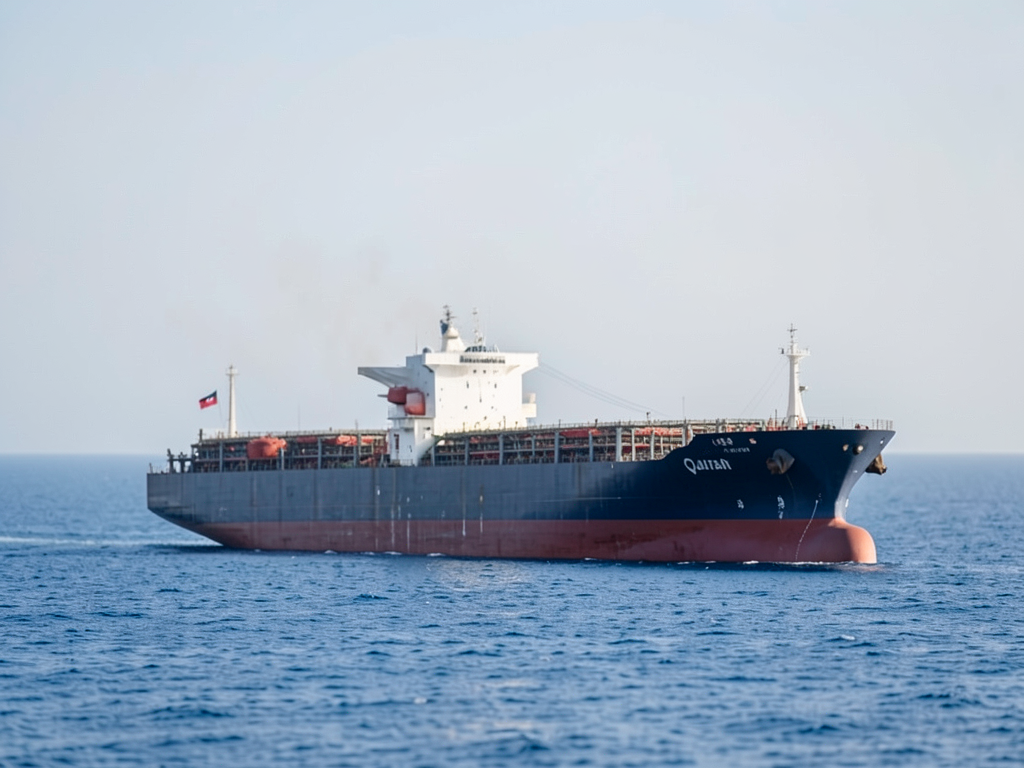
Global oil markets jumped sharply on Monday after United States President Donald Trump turned down a peace proposal from Iran aimed at ending their standoff and reopening the critical Strait of Hormuz shipping lane. The rejection has left Middle East tensions simmering and crude prices climbing, with serious implications for Pakistan’s import-dependent economy.
Brent crude futures climbed by more than one percent to reach $105.64 per barrel, while US West Texas Intermediate crude rose to $93.11 per barrel. The price surge came after Iran presented a diplomatic initiative through Qatari intermediaries at the United Nations General Assembly in New York last week. Trump dismissed the offer on Saturday but indicated that American negotiators would continue discussions this week.
Analysts warn that geopolitical risks remain dangerously high. Continued attacks by Houthi forces and Iran on Saudi Arabian targets have left regional oil supply routes exposed and vulnerable. Over the weekend, a Saudi-led coalition intercepted two ballistic missiles and two drones launched toward the kingdom, underscoring the fragility of the situation.
The volatility is already reverberating through Pakistan’s financial markets. The Pakistan Stock Exchange experienced a turbulent session on Monday, with the benchmark KSE-100 index dropping 339 points to settle at 170,425.62. The index had opened positively but quickly reversed course as investors reacted to the failed diplomacy and rising oil prices.
Market analysts noted that investor sentiment remained fragile throughout the trading day. Positive contributions from companies like TRG Pakistan and Fauji Fertiliser were offset by selling pressure in major banks and cement firms. Trading volume fell to 421 million shares, reflecting cautious positioning by market participants.
Adding to the uncertainty, refined oil products have become a major pressure point. Record diesel prices in the United States are intensifying inflation risks and sparking debate over potential export restrictions. Any curbs on American diesel exports would tighten global supply and push prices even higher outside the US, particularly affecting European and Asian markets.
Meanwhile, crude exports from key Middle Eastern producers rebounded in September to 12.8 million barrels per day, the highest level since conflict erupted in February. Saudi Arabia and the United Arab Emirates have increased shipments, with Saudi Arabia diverting exports from Red Sea ports to its eastern Ras Tanura terminal following pipeline attacks.
On the diplomatic front, US Treasury Secretary Scott Bessent announced aggressive efforts to economically isolate Iran. American envoys have been dispatched worldwide to pressure countries into cutting ties with Iranian airlines and banks. Turkey and Oman have halted flights by Iran’s Mahan Air, while the UAE has stopped all Iranian airline operations. Banking restrictions have also tightened, with the UAE central bank blocking transactions involving Iran’s Bank Melli.
For Pakistan, the stakes could not be higher. Rising oil prices directly translate into increased import bills, higher fuel costs, and broader inflationary pressure across the economy. With an upcoming IMF review and persistent external-sector risks, analysts expect market volatility to continue. Selective buying may emerge if tensions ease and oil prices retreat, but elevated energy costs remain a critical threat to Pakistan’s economic stability and the daily lives of its citizens.