Pakistan’s political landscape shifted dramatically on Friday as the Pakistan Tehreek-e-Insaf decided to postpone its highly anticipated Islamabad long march from September 27 to early October, party sources confirmed, marking a significant retreat amid mounting government pressure and internal disagreements.
The decision emerged from a tense political committee meeting in Peshawar, where PTI leadership debated whether to proceed with the protest march demanding the release of imprisoned party founder Imran Khan and what the party calls the restoration of constitutional supremacy. While a majority of leaders initially favored moving forward as planned, the committee ultimately agreed to delay until October 4 or 5, according to multiple party sources.
The postponement reveals deepening fractures within opposition ranks. Khyber Pakhtunkhwa Chief Minister Sohail Afridi telephoned Mehmood Khan Achakzai, head of the opposition alliance Tehreek Tahafuz Ayeen-e-Pakistan, seeking guidance on the delay. Achakzai firmly told Afridi that the September 27 date should stand, insisting that any change required further consultation across the alliance. The disagreement highlights tensions between PTI’s provincial government and its broader opposition coalition partners.
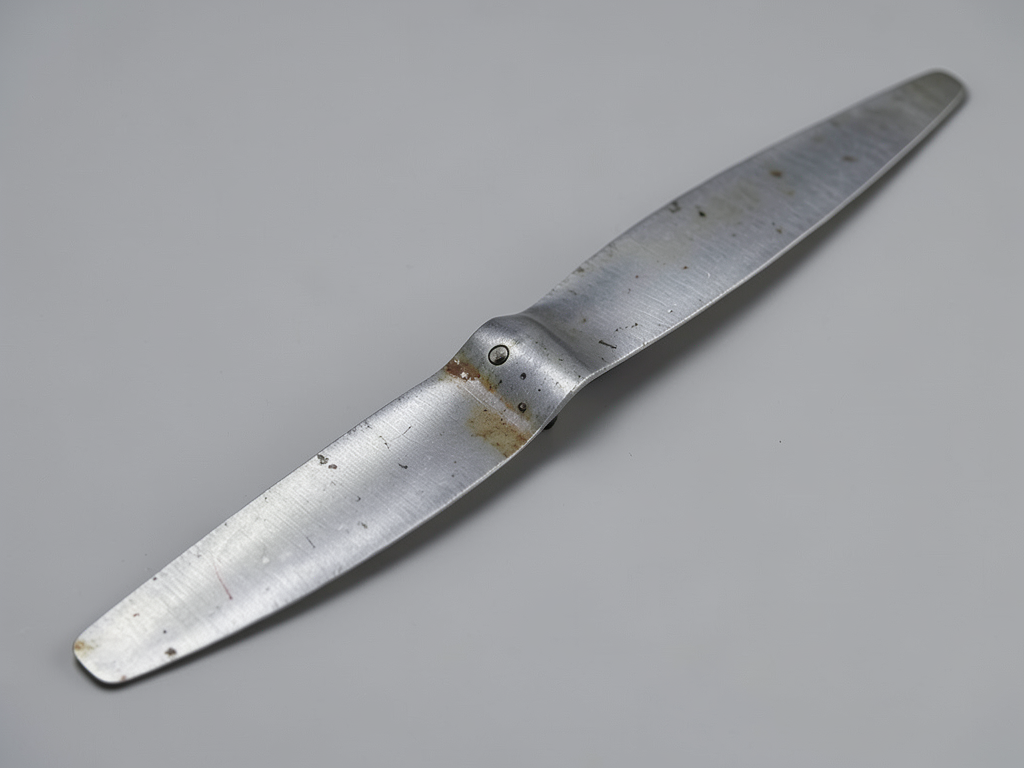
Hours before the postponement decision leaked, CM Afridi had publicly vowed the march would proceed regardless of obstacles. Speaking at a press conference in Peshawar, he criticized the federal government’s placement of nails on roads at provincial boundaries and questioned whether Khyber Pakhtunkhwa was being deliberately isolated from the rest of Pakistan. “No matter how many nails they put in the roads, this long march will not be stopped,” Afridi declared defiantly.
Yet PTI’s Khyber Pakhtunkhwa Information Secretary Shaukat Yousafzai later denied reports of a cancellation, telling media that no final decision had been made and preparations remained underway. He suggested the march could be reconsidered only if the federal government agreed to negotiations.
The federal government had mobilized extensive security measures ahead of the planned protest. Rangers were deployed across Islamabad and multiple Punjab districts, major highways and motorways leading to the capital were blocked with containers, and hotels near sensitive areas like Faizabad were ordered closed. All hostels and guest houses in the Faizabad vicinity received evacuation orders effective immediately.
Khyber Pakhtunkhwa Governor Faisal Karim Kundi revealed that consultations had occurred regarding imposing governor’s rule in the province, citing constitutional provisions for such emergency measures. “PTI people are giving themselves up for arrest,” Kundi claimed, suggesting party members were seeking exit strategies.
Prime Minister Shehbaz Sharif sent a fresh letter to opposition leader Achakzai proposing talks and discussing Election Commission appointments, according to sources. However, TTAP spokesperson Akhunzada Hussain Yousafzai expressed skepticism, saying the government appeared to be backtracking on previous commitments.
Information Minister Attaullah Tarar challenged PTI to proceed with the march if it had courage, while accusing the party of being a “blue-eyed” ally of terrorists and claiming the KP government facilitated the Afghan Taliban.
The postponement represents a significant political setback for PTI, which had spent weeks mobilizing supporters across Pakistan for what was billed as a decisive confrontation with the federal government. Whether the party can maintain momentum for an October march remains uncertain, particularly given visible divisions within its leadership and alliance partners over strategy and timing.