Pakistani investors faced a brutal Thursday as the stock market plunged sharply, wiping out nearly Rs208 billion in market value within hours and sending shockwaves through the country’s financial community.
The benchmark KSE-100 index collapsed by 1,733 points—a drop of 1.01 percent—to close at 170,498, down from Wednesday’s close of 172,232. The decline reversed three consecutive sessions of gains and pushed the index dangerously close to its July lows, raising fresh concerns about market stability.
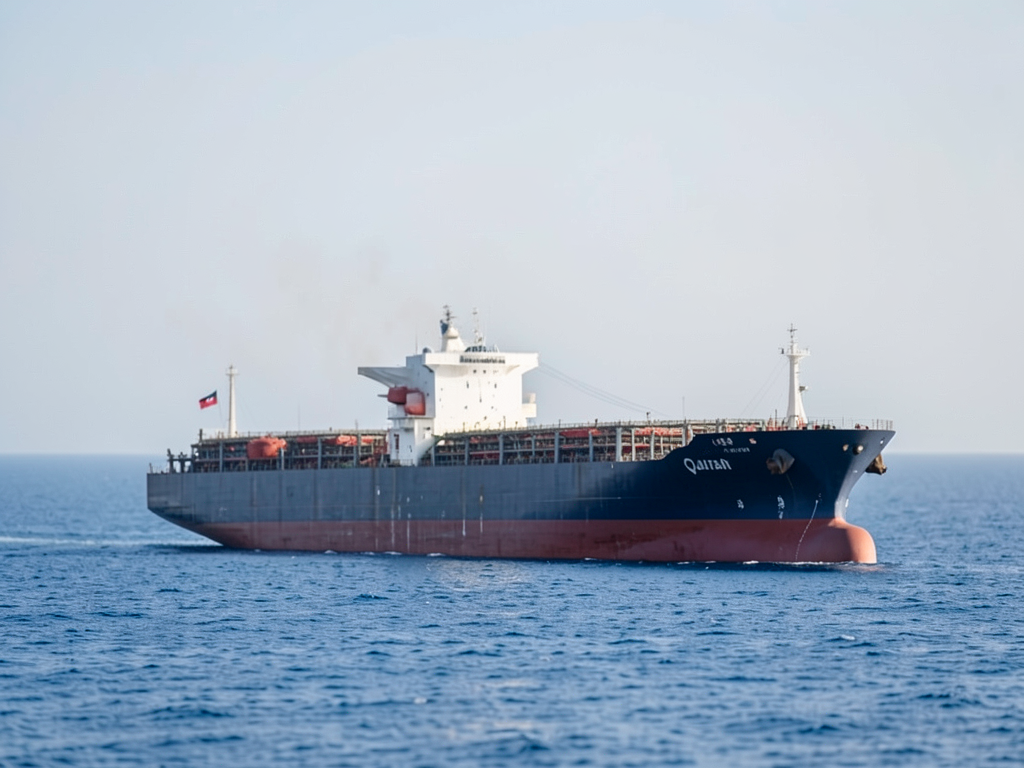
The trigger? A toxic combination of escalating tensions in the Middle East and a sharp spike in global oil prices. Brent crude surged past the psychologically critical $100-per-barrel mark, with some reports indicating prices nearing $107, igniting fears of renewed inflationary pressure and a widening current account deficit for Pakistan.
For a country already grappling with external financing challenges and inflation management, higher oil prices represent a direct threat to economic stability. Every dollar increase in crude prices adds millions to Pakistan’s import bill, straining foreign exchange reserves and potentially derailing hard-won macroeconomic gains.
Market analysts described the session as a classic case of profit-taking amplified by geopolitical anxiety. After Wednesday’s 830-point rally—fueled by optimism around potential US-Iran diplomatic progress and the arrival of an International Monetary Fund mission—investors moved aggressively to secure gains as external risks mounted.
Arif Habib Limited noted broad-based selling pressure, with 358 companies closing lower against just 101 gainers out of 495 traded stocks. Major blue-chip names bore the brunt: United Bank Limited, Lucky Cement, and Mari Energies led the decline, while only a handful of stocks like Engro Fertilisers and HBL managed modest gains.
Trading volumes remained robust at nearly 760 million shares worth Rs27.5 billion, indicating active participation despite the negative sentiment. Cnergyico Pakistan led volume charts with 158 million shares traded, though it closed lower.
Interestingly, even genuinely positive news failed to lift sentiment. Three major refineries—National Refinery, Attock Refinery, and Cnergyico—signed upgrade agreements with Inter State Gas Systems under the amended brownfield refinery policy, part of a $6 billion modernization drive aimed at producing cleaner Euro-V fuels and reducing import dependence. Yet refinery stocks still closed in the red, underscoring how geopolitical fears overwhelmed domestic positives.
Foreign investors remained cautious, with net buying of just Rs17.7 million—a negligible amount that signals international money is staying on the sidelines.
The market now hovers near critical support levels established in July and early September around 166,100 points. A breach of this floor could trigger further selling and test investor confidence more severely.
For ordinary Pakistanis with savings in mutual funds, pension schemes, or direct equity holdings, Thursday’s drop represents real financial pain. The Rs208 billion erosion in market capitalization—from Rs19.17 trillion to Rs18.97 trillion—affects retirement accounts, insurance portfolios, and institutional investments that millions depend on.
Looking ahead, market watchers warn that sustained oil prices above $100 and continued Middle East instability could keep pressure on Pakistani equities. Much will depend on how quickly geopolitical tensions ease and whether global crude prices retreat from current elevated levels.
For now, Pakistani investors are bracing for continued volatility, caught between domestic economic progress and external shocks beyond their control.