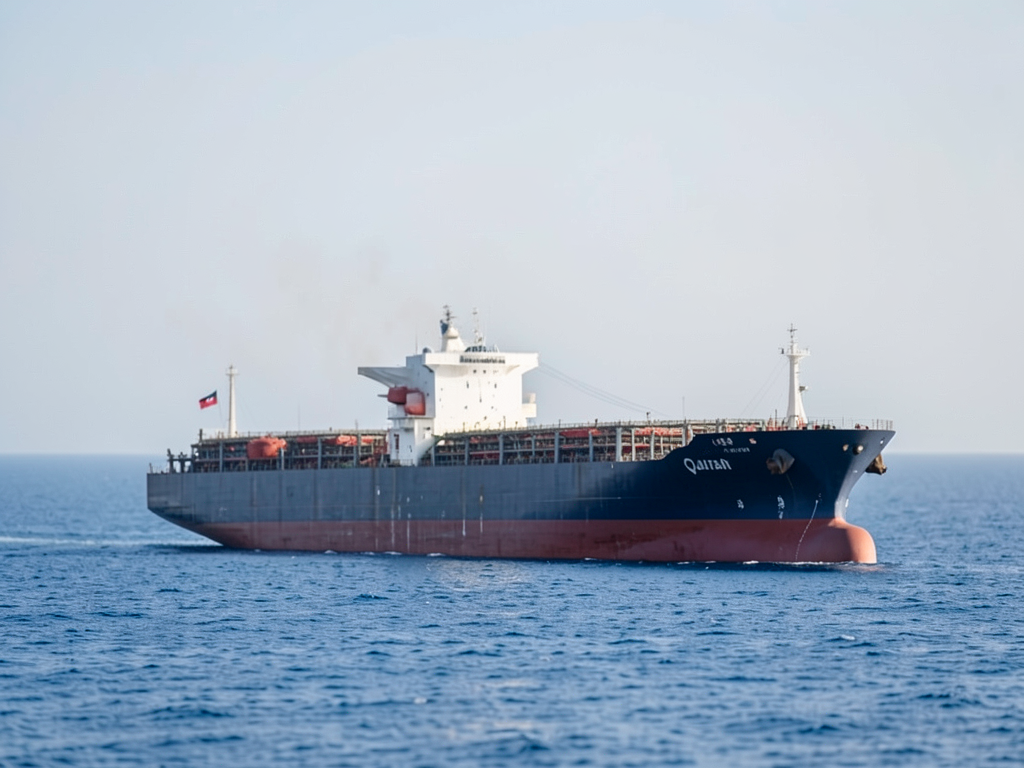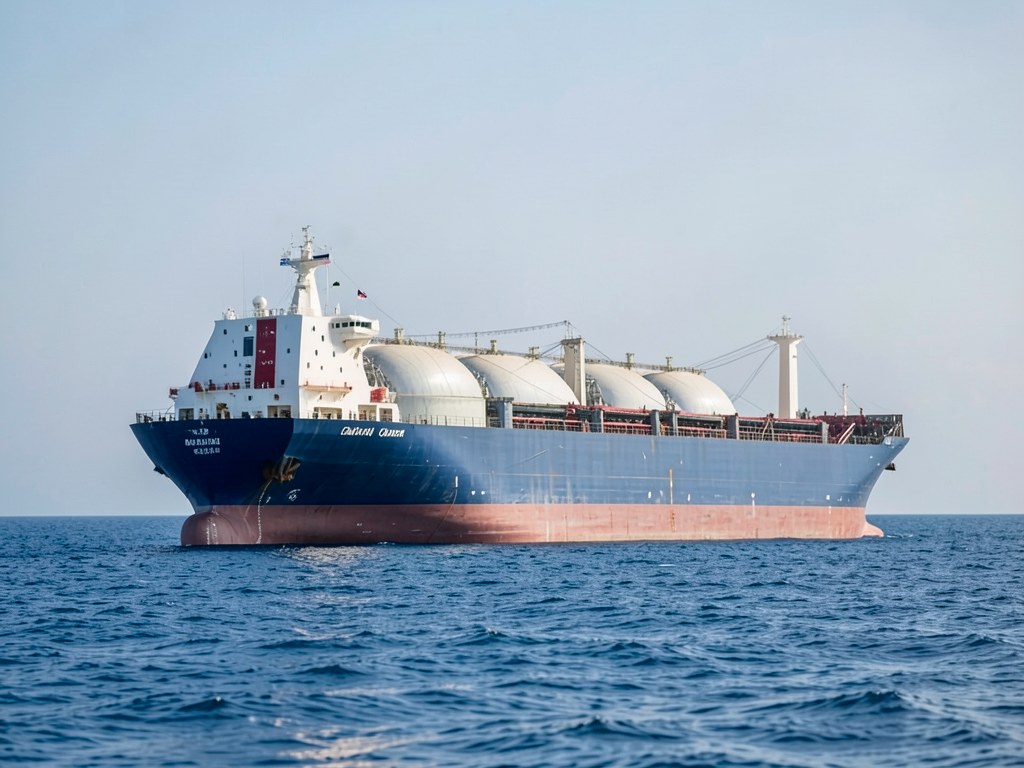
Pakistan has successfully arranged another liquefied natural gas shipment from Qatar following diplomatic discussions that reportedly included Iranian officials, marking a significant development in the country’s efforts to address its deepening energy crisis.
The cargo has already passed through the strategically sensitive Strait of Hormuz and is expected to dock at Port Qasim within the coming days, according to government sources. The involvement of Iranian representatives in facilitating the deal adds an intriguing diplomatic dimension to what is otherwise a routine energy transaction.
This marks the second Qatari LNG delivery Pakistan has secured this month, offering much-needed breathing room for a power sector buckling under severe supply constraints. The shipment was negotiated at a price linked to 13.37 percent of Brent crude oil rates under the existing government-to-government framework between Islamabad and Doha.
The timing could not be more critical. Large swaths of Pakistan are currently enduring power outages lasting between six and twelve hours daily as the national grid struggles with inadequate gas supplies. The new cargo is expected to provide temporary relief, though officials acknowledge it represents only a short-term fix to a chronic problem.
Pakistan’s first LNG delivery of September arrived on the 10th, when the carrier Al Marrouna brought approximately 81,936 metric tonnes from Qatar’s Ras Laffan terminal. That vessel had crossed the Strait of Hormuz three days earlier.
Behind the scenes, Pakistan’s gas transmission system is facing mounting pressure from multiple directions. Domestic gas production has been hit by disruptions at several major fields, compounding the supply shortage.
The Qadirpur field suspended raw gas deliveries to Liberty Power on September 17 over unpaid bills, while the MEL GTH plant reduced output by 37 million cubic feet per day for scheduled annual maintenance. The Nashpa facility cut production by 83 MMcf/d following technical issues, and MOL’s central processing facility slashed input by 158 MMcf/d due to operational problems.
Despite these setbacks, petroleum officials insist there has been no forced curtailment on the Sui Northern Gas Pipelines Limited network, though the system’s line-pack stood at 4,792 million cubic feet on September 21.
The power sector is currently consuming roughly 208 MMcf/d of gas, while fertiliser manufacturers are using 89 MMcf/d. Both sectors remain heavily dependent on consistent LNG imports to maintain operations.
The diplomatic angle involving Iranian officials raises questions about regional energy cooperation at a time when Pakistan is navigating complex geopolitical relationships. While details of Iran’s role remain unclear, the development suggests Islamabad may be exploring unconventional channels to secure energy supplies amid growing domestic pressure.