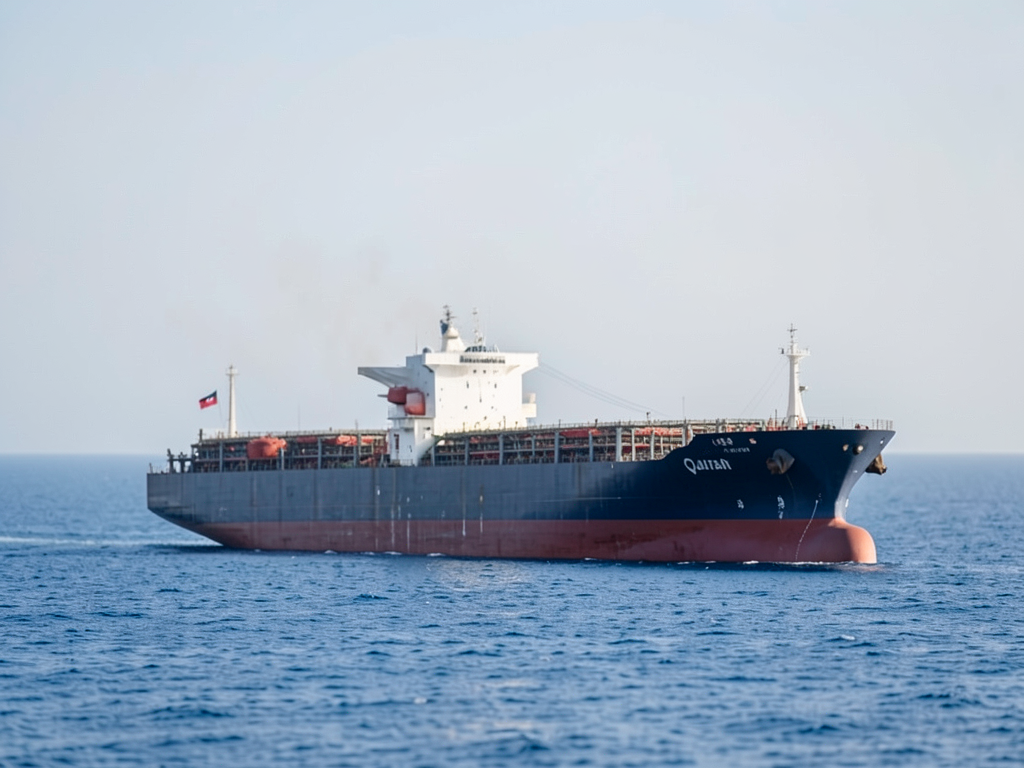
Pakistani consumers and industries are set to receive significant relief as the country’s energy regulator announced a sharp reduction in liquefied natural gas prices on Friday, cutting rates by as much as 21 percent.
The Oil and Gas Regulatory Authority issued an official notification confirming the price drop, which will lower LNG costs by up to $3.91 per million British thermal units across the country’s two major gas distribution networks.
Under the new pricing structure, the Sui Northern Gas Pipelines system will see LNG prices fall by $3.83 per MMBTU, bringing the rate down to $15.19 per MMBTU. Meanwhile, the Sui Southern Gas Company network will experience an even steeper decline of $3.91 per MMBTU, with the new rate set at $14.22 per MMBTU.
The price reduction comes as welcome news for a nation grappling with persistent energy shortages and high inflation. Lower LNG costs are expected to ease the burden on both industrial users and residential consumers, potentially reducing electricity generation expenses and lowering gas bills in the coming months.
This development marks a dramatic shift from earlier this year when Pakistan was forced to pay record-high prices for spot LNG cargoes. In one notable instance, the country procured a cargo at $21.88 per MMBTU — the highest spot price Pakistan has ever paid for LNG. That purchase came after a tender received only a single bid from Total Energies Gas & Power.
Throughout the summer months, Pakistan struggled with volatile LNG procurement costs. The country purchased multiple spot cargoes at escalating prices, ranging from $16.73 per MMBTU in late June to over $20 per MMBTU by mid-summer.
Earlier this month, Pakistan Liquefied Natural Gas Limited issued a fresh tender seeking international bids for an LNG cargo scheduled for delivery between September 12 and 16. This marked the third attempt after two previous tenders were cancelled. The bid submission and opening deadline was set for September 8.
The sharp decline in LNG prices reflects broader trends in global energy markets, where supply conditions have improved and demand pressures have eased compared to the peak crisis periods of recent years. For Pakistan, which relies heavily on imported LNG to meet its energy needs, these price movements have direct and immediate consequences for economic stability and household budgets.
Energy analysts suggest the price cut could provide breathing room for the government as it navigates ongoing economic challenges, including managing foreign exchange reserves and controlling inflation. Lower energy input costs may also help revive industrial activity, which has been constrained by high production expenses.
The reduction in LNG prices is expected to be reflected in upcoming utility bills, offering tangible relief to millions of Pakistani families and businesses struggling with the cost of living crisis.