Pakistani stock market investors faced a brutal Thursday as the benchmark KSE-100 index crashed by 1,734 points, wiping out gains from the previous session and sending shockwaves through portfolios across the country.
The Pakistan Stock Exchange closed at 170,499 points, down just over one percent, as surging oil prices and renewed geopolitical anxiety triggered a massive selloff in the second half of trading. The session began on a positive note, with the index touching 172,491 points, before sellers took control and drove it down to an intraday low of 170,418.
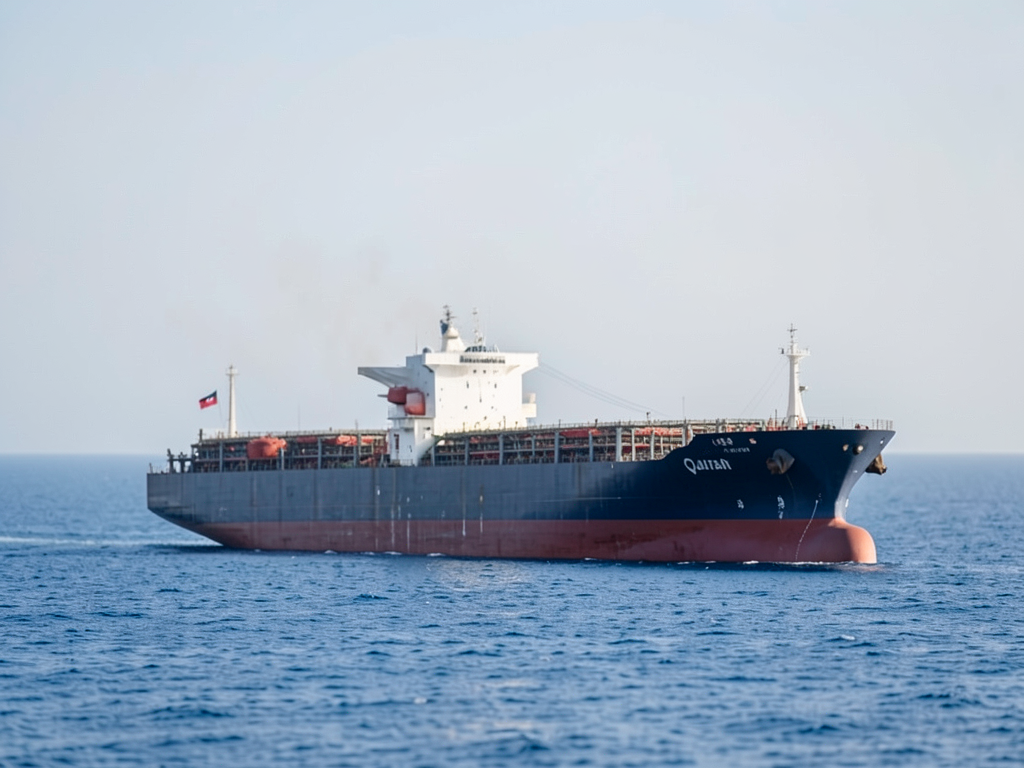
The collapse came as Brent crude oil climbed toward $107 per barrel, reigniting fears about inflation and Pakistan’s already strained import bill. Higher oil prices hit particularly hard in an economy still recovering from recent energy crises and foreign exchange pressures.
Commercial banks bore the brunt of the decline, with United Bank Limited alone dragging the index down by roughly 200 points. Lucky Cement, Mari Petroleum, Hub Power Company, and National Bank of Pakistan also contributed significantly to the downturn. Cement, oil and gas exploration, power generation, and refinery sectors all closed deep in the red.
The sharp reversal erased most of Wednesday’s 830-point rally, which had been fueled by optimism surrounding potential US-Iran diplomatic talks and the arrival of an International Monetary Fund mission in Pakistan for review negotiations. Those hopes evaporated as geopolitical tensions flared again and oil markets reacted accordingly.
Ironically, Thursday’s session included genuinely positive structural news that failed to lift sentiment. National Refinery, Attock Refinery, and Cnergyico signed major upgrade agreements with Inter State Gas Systems under the amended brownfield refinery policy. The deals are part of a roughly $6 billion modernization drive aimed at producing cleaner Euro-V fuels and reducing Pakistan’s dependence on imported petroleum products. Despite the long-term significance, even refinery stocks closed lower alongside the broader market.
Trading volume reached 315 million shares on the main index, reflecting active participation even as prices fell. The All-Share Index dropped 1.08 percent to 103,103 points.
Market analysts warned that volatility would persist as long as oil prices remain elevated and geopolitical developments stay unpredictable. The sensitivity to external shocks underscores Pakistan’s vulnerability to global energy markets and regional instability.
For ordinary Pakistanis, the stock market decline translates into reduced savings values, pension fund losses, and diminished investor confidence. The selloff also raises concerns about capital flight and the broader economic outlook as the country navigates IMF program reviews and attempts to stabilize its external accounts.
The coming sessions will test whether investors can regain confidence or whether further geopolitical shocks and oil price increases will deepen the downturn. With the IMF mission in town and refinery upgrades moving forward, Pakistan faces a critical moment balancing short-term market fears against longer-term structural reforms.