Pakistan’s economy is expected to maintain steady growth of 3.7 percent in the fiscal year 2027, but inflation will remain uncomfortably high at 8.3 percent—well above the central bank’s comfort zone—according to projections released Wednesday by the Asian Development Bank.
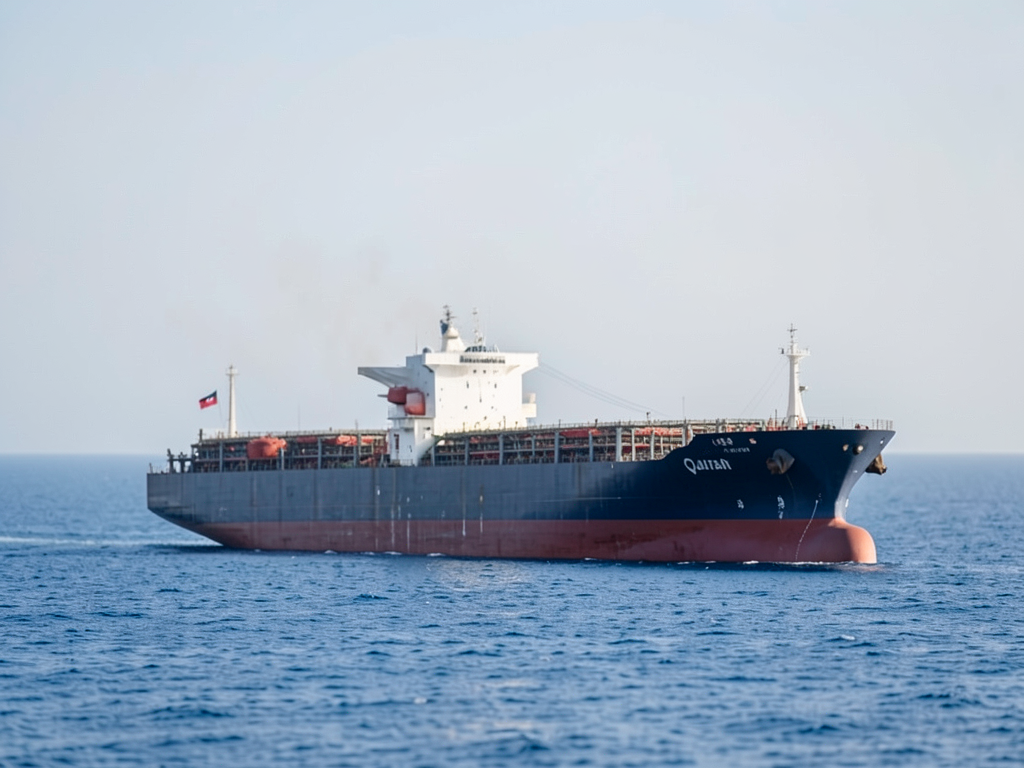
The forecast presents a mixed picture for Pakistani households and businesses: economic expansion continues, but the cost of living will keep climbing, driven by elevated energy prices, higher import costs, and lingering geopolitical tensions in the Middle East.
The ADB’s Asian Development Outlook report confirmed that Pakistan’s economy grew 3.7 percent in the fiscal year that ended June 30, 2026, up from 3.2 percent the previous year. That recovery was fueled by improving credit conditions, stronger private investment, and broad-based expansion across agriculture, manufacturing, and services.
Private investment surged 8.6 percent in real terms as borrowing costs fell and business confidence improved. Manufacturing output jumped 6.6 percent, while the information and communications sector expanded 7.5 percent on the back of stronger service exports. Agriculture grew 2.9 percent despite flood-related losses, and services rose 4.1 percent.
But the recovery has come with a painful side effect: rising prices. Inflation averaged 7.1 percent in FY2026, up sharply from 4.5 percent the year before. Price pressures accelerated in the second half of the fiscal year, with headline inflation hitting 11.7 percent in May 2026 after a record fuel price increase in April. By July, inflation had eased to 9.2 percent as global energy pressures moderated, but the damage to household purchasing power was already done.
Household consumption grew just 0.8 percent in FY2026, down from 2.1 percent the previous year, as higher global energy prices eroded real incomes. Government consumption, by contrast, increased 11.2 percent. Real exports of goods and services rose 5.9 percent, while real imports fell 6.8 percent.
Looking ahead to FY2027, the ADB warned that inflation will remain above the State Bank of Pakistan’s medium-term target range of 5 to 7 percent. Elevated fuel, logistics, and agricultural input costs are expected to continue feeding into domestic prices during the first half of the fiscal year. A recovery in economic activity and rising import costs could also put pressure on the exchange rate and contribute to imported inflation.
The projection complicates the central bank’s task. The real policy rate had fallen close to zero by the end of FY2026, leaving monetary authorities with little room to maneuver. The ADB said the central bank will face a difficult balance between supporting economic activity and bringing inflation back within its target range.
On the fiscal side, Pakistan made significant progress. The consolidated budget deficit narrowed to 2.6 percent of GDP in FY2026 from 5.4 percent a year earlier, while the primary surplus reached 2.9 percent of GDP, exceeding the 2.6 percent target under the International Monetary Fund’s Extended Fund Facility.
Pakistan’s sovereign credit ratings were upgraded by S&P in July 2026 and Moody’s in August 2026, reflecting improved macroeconomic stability and stronger external buffers. The country also regained access to international capital markets through Eurobond and Panda bond issuances in April and May 2026.
ADB Country Director for Pakistan Emma Fan acknowledged the progress, saying Pakistan has made strides in strengthening macroeconomic stability over the past two years. However, she cautioned that elevated energy prices and continued external uncertainty, including the lingering effects of the Middle East conflict, are expected to constrain faster acceleration in economic growth.
The ADB warned that the outlook remains subject to significant downside risks. An escalation of the Middle East conflict could increase energy import costs, intensify inflationary pressures, and disrupt labor markets in Gulf economies, potentially affecting workers’ remittances—a critical source of foreign exchange for Pakistan.
For ordinary Pakistanis, the message is clear: economic growth is returning, but relief from high prices will be slow in coming.