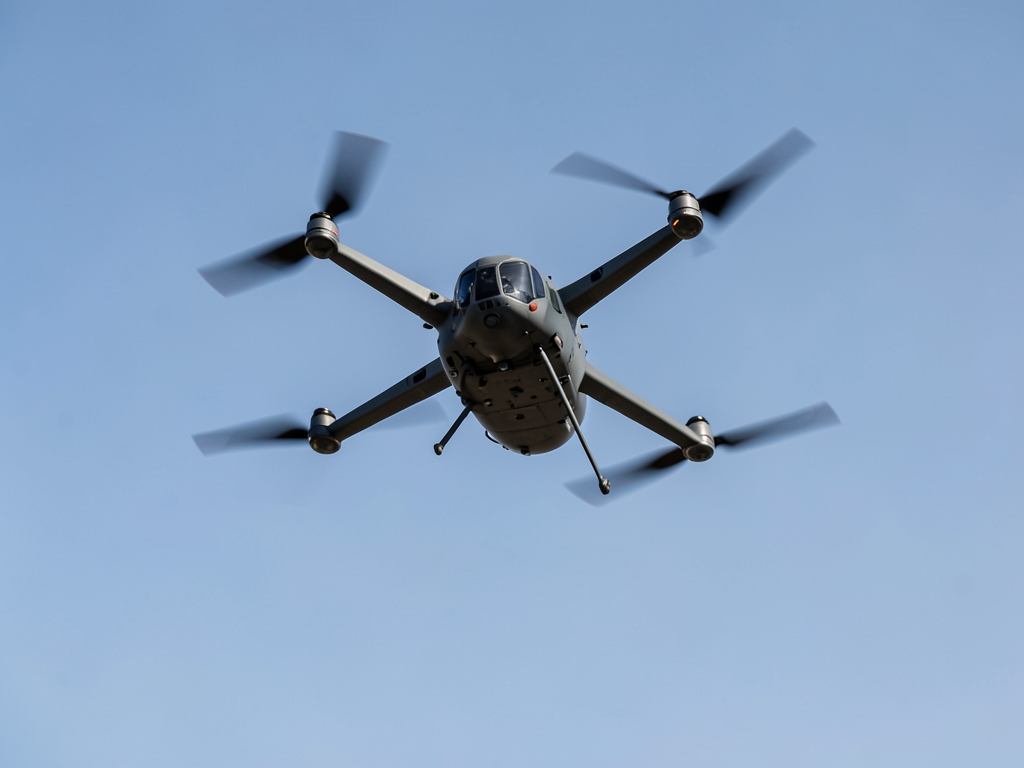
Pakistan’s air defence forces intercepted and destroyed eight drones that violated national airspace from Afghanistan on Wednesday morning, marking a sharp escalation in cross-border hostilities and raising urgent questions about the country’s security along its western frontier.
The unmanned aerial vehicles were detected and neutralized by Pakistan Air Force systems operating along the volatile border region. Four drones were brought down near the Torkham crossing, a critical trade and transit point, while the remaining four were intercepted over mountainous terrain close to Kohat district in Khyber Pakhtunkhwa.
Security officials described the incursion as a deliberate attempt by the Afghan Taliban regime to strike civilian or strategic targets inside Pakistan. The wreckage of all eight drones is now in military custody and undergoing technical examination to determine their origin, payload, and intended targets.
This drone attack comes amid a broader pattern of aggression from across the border. Just hours before the aerial intrusion, Pakistani forces repelled an infiltration attempt by militants affiliated with the banned Tehreek-e-Taliban Pakistan, referred to by the state as Fitna al-Khawarij, in the Kurram sector. Intelligence reports indicate the infiltration was coordinated from Afghan Taliban positions in Nangarhar and Paktia provinces.
When the infiltration failed, Afghan Taliban forces opened heavy fire on Pakistani border posts using mortars and artillery. Pakistani troops responded with precision strikes targeting multiple Taliban positions, mortar sites, and defensive installations across the frontier.
The escalation follows a major Pakistani military operation earlier this week. On Monday, Pakistan announced it had conducted intelligence-based ground raids and precision airstrikes against terrorist sanctuaries in Khyber Pakhtunkhwa and along the Afghan border. Those operations killed 37 militants, including nine in ground engagements and 28 in airstrikes that destroyed a suicide bomber training facility.
The military action was launched in response to a devastating mosque bombing in Kohat’s Police Lines on September 20 that killed 23 people, including 15 police officers. The attack was later claimed by the Afghanistan-based militant group Ittihadul Mujahideen Pakistan, led by Hafiz Gul Bahadur.
Pakistan has repeatedly accused the Afghan Taliban government of providing safe haven and operational support to anti-Pakistan militant groups. Wednesday’s drone incursion and coordinated border violence appear to confirm those allegations, according to security sources, who characterized the actions as evidence of direct Taliban regime complicity in terrorism against Pakistan.
The use of drones represents a troubling tactical shift. While rudimentary drones have been intercepted before, the deployment of eight aircraft in a single operation suggests increased capability and intent. Pakistani officials warn that the Taliban regime may be attempting to test or overwhelm air defence systems.
Pakistan’s air defence network, operated by the Pakistan Air Force, remains on high alert along the entire western border. Military sources emphasized that surveillance and interception capabilities are fully operational around the clock to counter any future aerial or ground threats.
The latest incidents underscore the fragile and increasingly hostile nature of Pakistan-Afghanistan relations. Despite years of diplomatic engagement, the Taliban’s return to power in Kabul has coincided with a sharp rise in cross-border terrorism, militant infiltration, and now direct military provocations involving drones and heavy weapons.
For ordinary Pakistanis, especially those living in border regions, the escalation brings renewed fear and uncertainty. Communities in Khyber Pakhtunkhwa have borne the brunt of terrorist violence for years, and the prospect of drone strikes and cross-border shelling adds a dangerous new dimension to an already precarious security environment.
The Pakistani government has yet to issue a formal diplomatic protest or public statement on Wednesday’s drone incursion, but military sources made clear that the armed forces are prepared to defend national sovereignty and respond decisively to any further aggression from Afghanistan.