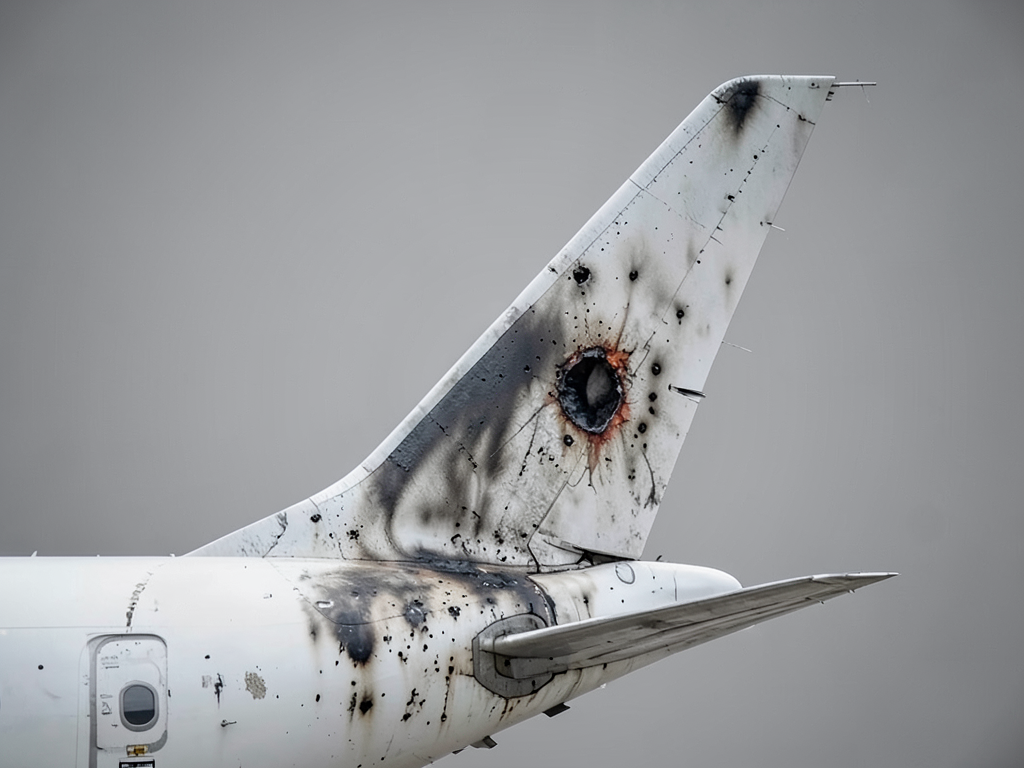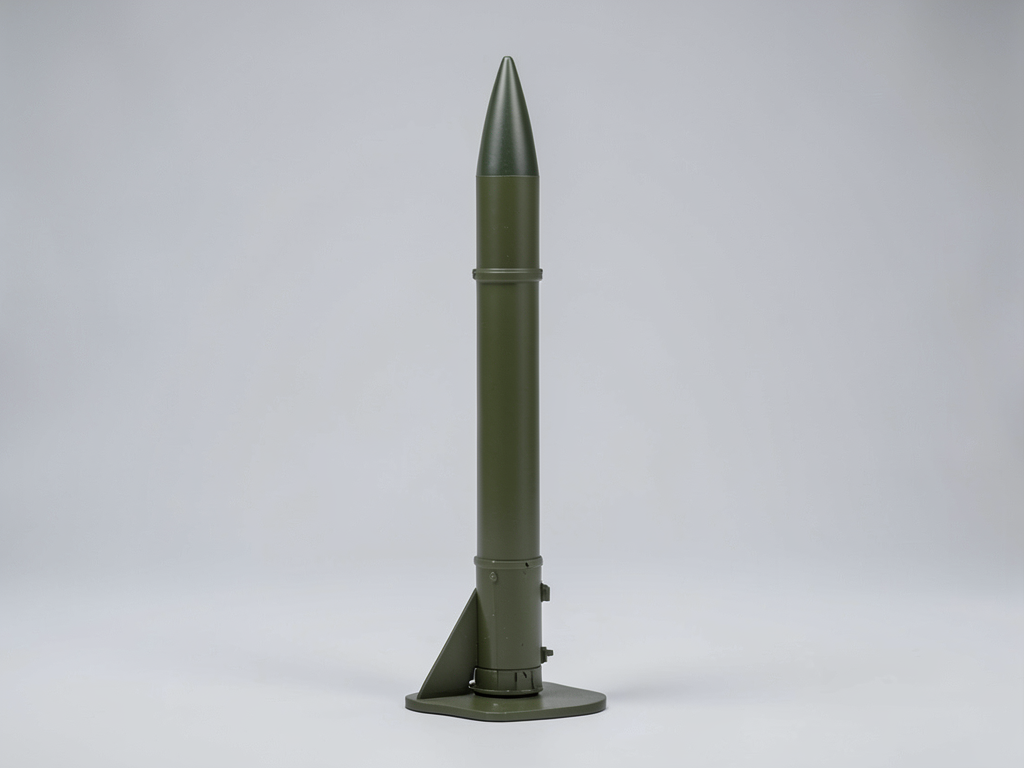
Saudi Arabia’s King Salman has strongly condemned repeated attempts by Yemen’s Houthi militia to target the holy city of Makkah, calling the actions a heinous crime that violates the sanctity of Islam’s most sacred sites and provokes the sentiments of Muslims worldwide.
Speaking at a cabinet session in Jeddah, the Saudi monarch praised the country’s military and security forces for their role in defending the kingdom and its holy sites against aggression. The King’s remarks come amid escalating regional tensions as Houthi forces have expanded their military operations, threatening vital shipping lanes and striking critical infrastructure inside Saudi Arabia.
The Houthi group, which began as a small Shia revival movement in northern Yemen during the late 1990s, has transformed into a formidable regional force with Iranian backing. After seizing Yemen’s capital Sanaa in 2014, the militia has developed sophisticated missile and drone capabilities that can reach targets over 1,800 kilometers away, including sites in Israel and deep inside Saudi territory.
Recent weeks have seen a dramatic shift in Yemen’s military landscape. Houthi forces launched a lightning advance along Yemen’s western coast, capturing the strategic port city of Mocha and gaining control of the entire Red Sea shoreline. This expansion has given the group effective command over the Bab el-Mandeb Strait, a narrow 19-kilometer waterway through which a significant portion of global maritime trade passes.
The strategic implications are profound. Saudi Arabia now faces threats to two critical oil export routes—the Strait of Hormuz and Bab el-Mandeb—forcing the kingdom to reroute shipments through Egypt’s Suez Canal. The disruptions have already cost Egypt’s canal authority an estimated $11 billion in lost revenue during previous periods of Houthi attacks.
Saudi Arabia’s state oil company, Aramco, recently restarted its East-West pipeline after suspending operations following drone strikes on key pumping stations. The 1,200-kilometer pipeline serves as a vital energy artery, capable of transporting 5 million barrels of crude oil daily from the Eastern Province to Red Sea terminals, bypassing the vulnerable Strait of Hormuz.
The Houthis have justified their attacks as solidarity with Palestinians during the Gaza conflict and more recently as retaliation against what they claim is a Saudi blockade. The group has demonstrated growing technical sophistication, with videos showing precision drone strikes, advanced missile launches, and coordinated ground operations using captured military equipment.
International efforts to de-escalate the crisis have intensified. Russian President Vladimir Putin and Saudi Crown Prince Mohammed bin Salman held discussions emphasizing the need for safe passage through regional waterways and a swift cessation of hostilities in Yemen. Egyptian President Abdel Fattah el-Sisi has also called for protecting freedom of navigation through international waters.
Logistics experts warn that continued pressure on Bab el-Mandeb threatens global supply chains and directly impacts the economic resources of countries throughout the region. The Saudi cabinet has stressed the necessity of adhering to international law, respecting state sovereignty, and ensuring safe navigation to protect international trade.
For now, Saudi authorities report that the Suez Canal continues operating normally, with over 1,300 vessels transiting in August alone. However, the evolving situation in Yemen and the Houthis’ expanding capabilities suggest the regional crisis is far from resolved, with potential consequences extending well beyond the immediate conflict zone.