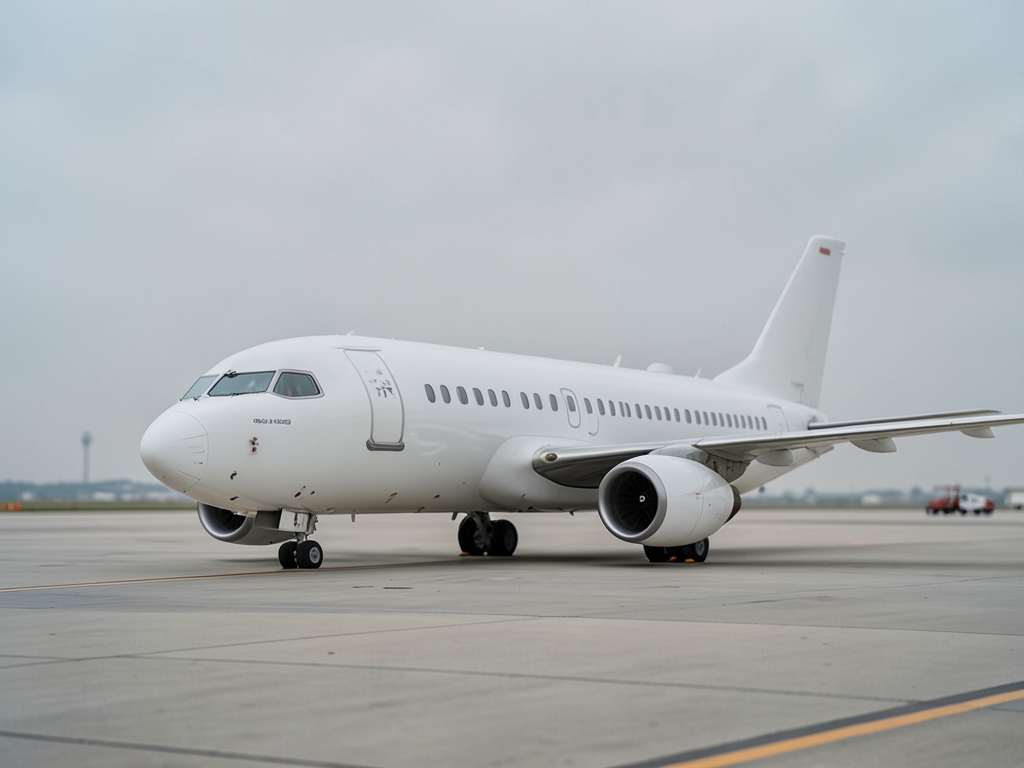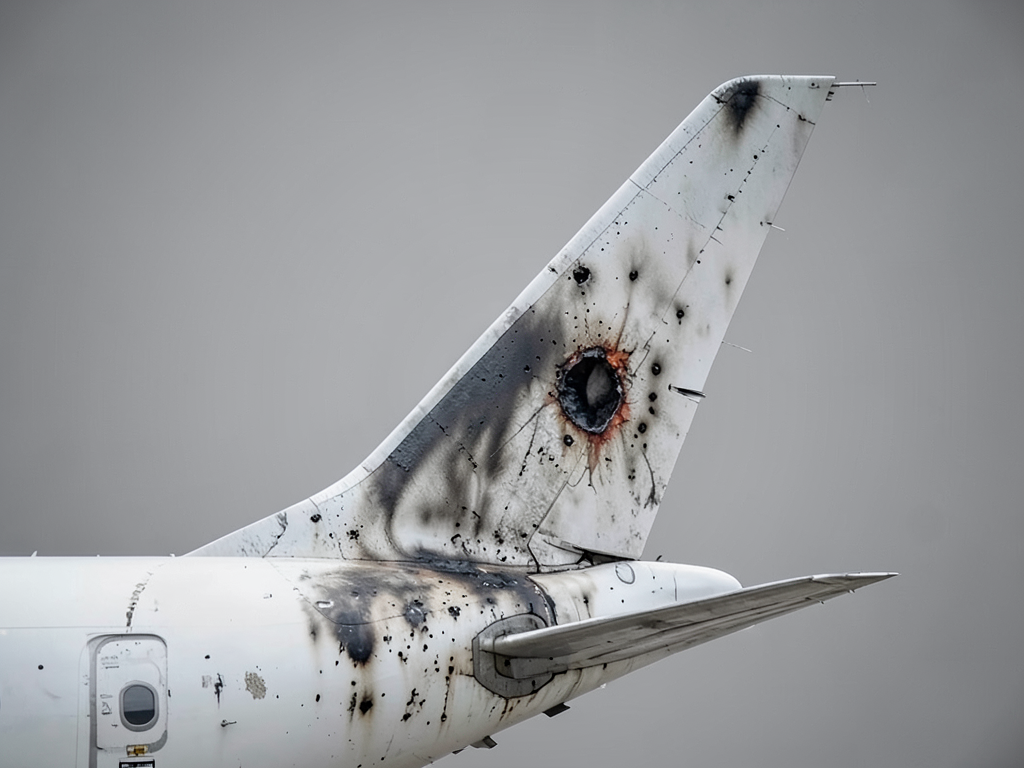
A second projectile attack targeted Riyadh’s King Khalid International Airport on Sunday, igniting a fire just one day after a devastating strike killed 12 people and injured more than 300, marking the deadliest assault on Saudi Arabia in over a decade.
The Saudi-led coalition confirmed that an unidentified projectile hit Terminal 4 of the airport, while air defenses intercepted a cruise missile in the vicinity. The airport remained closed following Saturday’s catastrophic attack, which claimed victims from eight countries including four Saudi nationals, two Bangladeshis, and citizens from the United States, Egypt, Jordan, Syria, Palestine, and Sudan.
Hours before Sunday’s strike, Yemen’s Houthi movement issued a chilling warning on social media, urging airlines, travelers, and airport workers to stay away from all Saudi airports except those serving the holy cities of Mecca and Medina. The group declared Saudi airspace a theater of military operations and warned that the kingdom would bear responsibility for any failed interceptions.
The escalation comes as Saudi Arabia intensifies its military campaign in Yemen, launching strikes against Houthi positions and supporting government forces after the rebels seized strategic territory along the Red Sea coast last month. Yemen’s Houthi-run foreign ministry responded with threats of stronger retaliation, stating that “worse is yet to come” unless Saudi Arabia halts its operations.
The crisis has sent shockwaves through the region’s aviation sector. Kuwait Airways canceled flights between Kuwait and Riyadh, while Germany’s Lufthansa suspended service through mid-October. Gulf carriers Etihad Airways and Flydubai also grounded flights to the Saudi capital. The United Kingdom, France, and Germany have issued warnings advising their citizens to avoid Riyadh.
Despite the security crisis, Saudi authorities announced that a major international energy conference would proceed as planned in Riyadh on Sunday, with organizers assuring delegates that comprehensive security measures were in place. However, Italy’s energy minister opted to participate via video link rather than travel to the kingdom.
Saudi officials suspended in-person classes for all students and staff from Sunday through Thursday, shifting to remote learning as a precautionary measure. The coalition spokesman described Saturday’s attack as a war crime under international humanitarian law and vowed a decisive response.
President Donald Trump indicated the United States was considering joining Saudi strikes against the Houthis, calling the situation a spillover from the broader conflict with Iran that began in February. UN Secretary-General Antonio Guterres condemned the attacks, emphasizing that strikes on civilians and civilian infrastructure violate international law.
The current violence represents a dramatic unraveling of a 2022 ceasefire between Saudi Arabia and the Houthis. That truce collapsed over the summer when Houthi forces launched a lightning advance, capturing the strategic Red Sea chokepoint of Bab el-Mandeb from Saudi-backed government forces.
Saturday’s attack was the third on Riyadh’s airport in one week. Earlier strikes killed four people and caused heavy damage to a commercial aircraft parked on the tarmac, exposing vulnerabilities in Saudi air defense systems despite the kingdom’s significant military investments.
The Saudi-led coalition entered Yemen’s civil war in 2015, attempting to dislodge the Houthis from the capital Sanaa. The conflict devolved into a bloody stalemate that has killed hundreds of thousands through combat and famine-related causes.
As the crisis deepens, hospitals across Riyadh remain overwhelmed with casualties, some in critical condition. Several of the injured from Saturday’s attack continue receiving intensive medical treatment, with authorities still assessing the full extent of property damage at the airport.