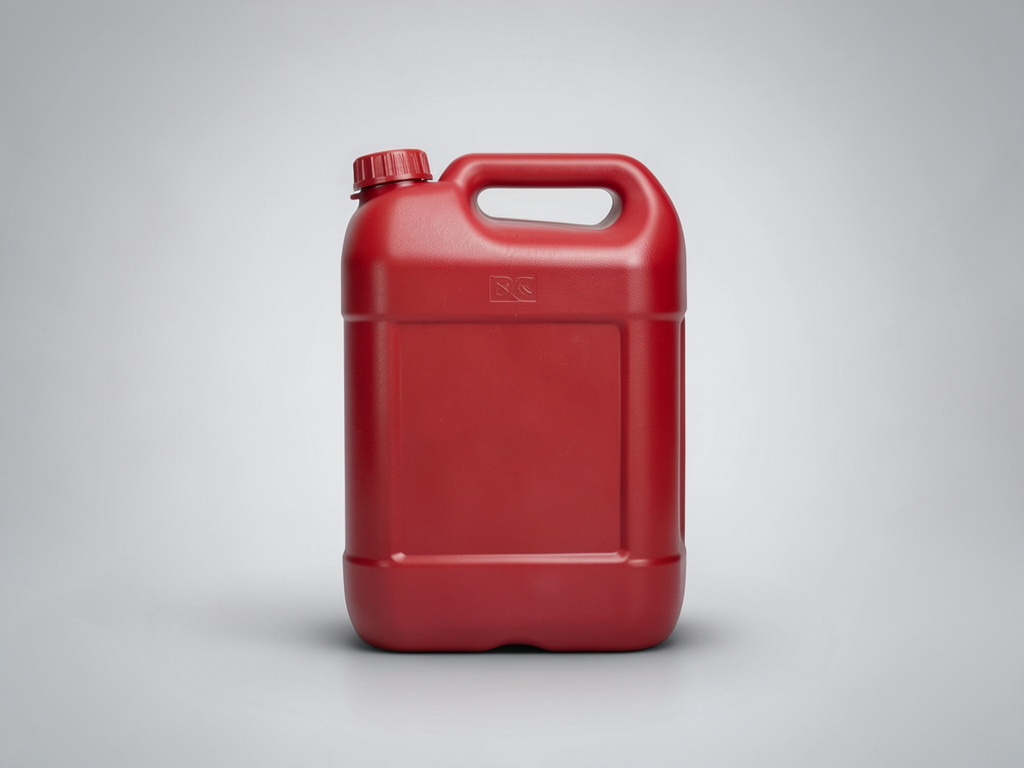
Quetta is in the grip of a crippling fuel crisis as residents scramble to fill their tanks amid a severe petrol shortage that has left the provincial capital’s fuel stations overwhelmed.
Long, snaking queues have become a common sight across the city, with motorists waiting for hours in the hope of securing even a few liters of fuel. The shortage has disrupted daily life, affecting commuters, transport operators, and businesses that rely on uninterrupted fuel supply to keep operations running.
Eyewitnesses report scenes of frustration and anxiety at petrol pumps, where tempers have flared as supplies dwindle and uncertainty mounts. Many stations have either run dry or are rationing fuel, forcing drivers to visit multiple locations in search of petrol. The crisis has also hit public transport hard, with local bus and rickshaw services either suspended or operating at reduced capacity.
The shortage comes at a particularly difficult time for Quetta, a city already grappling with economic pressures and infrastructural challenges. Residents say the lack of timely communication from authorities has only added to the confusion, leaving them in the dark about when normal supply will resume.
While the exact cause of the shortage remains unclear, such disruptions are often linked to supply chain bottlenecks, delayed deliveries, or distribution issues within the province. Balochistan’s remote geography and logistical vulnerabilities make it especially susceptible to fuel supply interruptions, which can have cascading effects on the local economy.
Small business owners and daily wage earners are among the hardest hit. Many depend on motorcycles and small vehicles to reach their workplaces, and the fuel crunch has left them stranded or forced to pay inflated prices on the black market. Transport costs have also spiked, adding to the financial burden on ordinary families.
The situation has sparked calls for urgent intervention from provincial and federal authorities. Residents are demanding immediate action to restore fuel supplies and prevent future shortages. There are also growing concerns that if the crisis persists, it could trigger wider unrest and further strain Quetta’s already fragile socio-economic fabric.
As the city waits for relief, the fuel shortage serves as a stark reminder of the vulnerabilities in Pakistan’s energy distribution network, particularly in regions far from the country’s economic and logistical hubs. For now, Quetta’s residents can only hope that supplies are replenished soon, allowing life to return to normal.