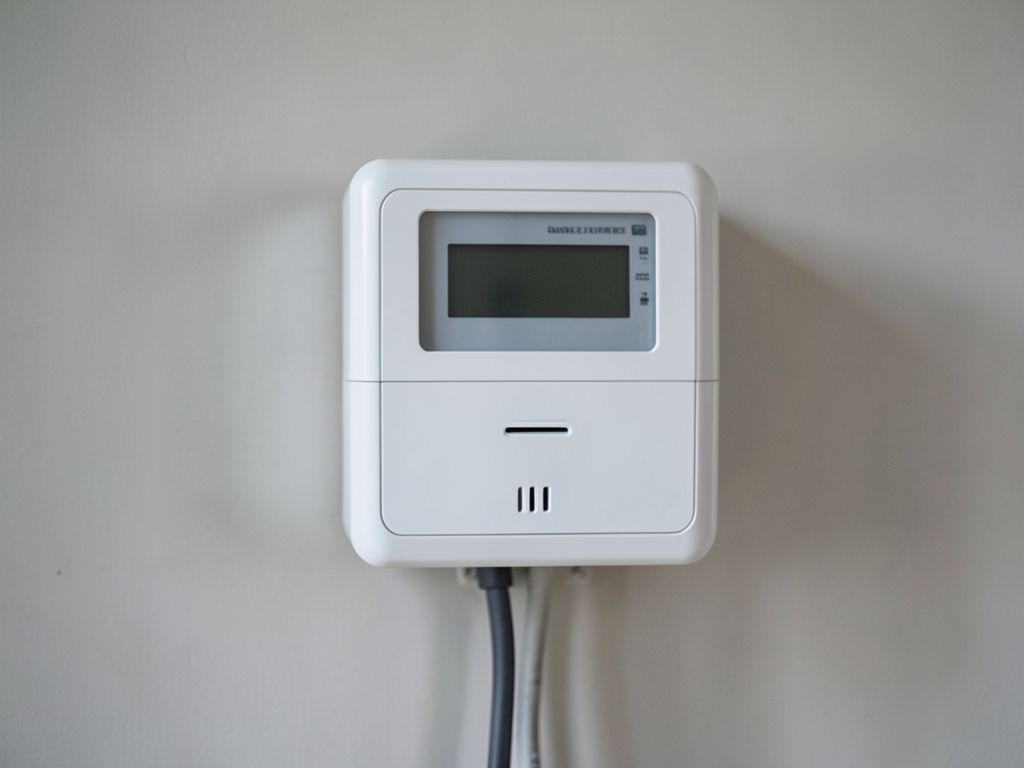
Pakistan’s Minister for Power, Awais Leghari, has publicly acknowledged that fixed electricity charges have doubled, a revelation that is set to intensify public fury over skyrocketing utility bills.
The admission comes at a time when millions of Pakistani households are already grappling with unprecedented increases in their monthly electricity costs. Fixed charges, which consumers must pay regardless of actual consumption, have become a flashpoint in the national debate over energy affordability.
Leghari’s statement marks a rare moment of official transparency on an issue that has dominated public discourse for months. Electricity bills have emerged as one of the most pressing economic concerns for ordinary Pakistanis, with many families forced to cut back on essential expenses to keep the lights on.
Fixed charges are levied to cover infrastructure maintenance, distribution network costs, and other overheads. However, critics argue that doubling these fees places an unfair burden on consumers, particularly low-income households that use minimal electricity but still face hefty bills.
The minister’s acknowledgment is likely to fuel demands for immediate relief measures. Opposition parties and consumer rights groups have long accused the government of failing to protect citizens from exploitative billing practices. This confirmation could add momentum to calls for policy reforms and greater accountability in the power sector.
Energy costs have become a major political liability for the government. Protests over electricity bills have erupted in multiple cities, with citizens burning utility bills in public demonstrations. The issue has also strained relations between federal and provincial authorities, as regional governments face pressure to intervene on behalf of struggling constituents.
Economists warn that rising electricity costs are eroding purchasing power and dampening economic activity. Small businesses, already operating on thin margins, have reported significant losses due to higher overheads. The industrial sector has also voiced concerns that expensive power is undermining competitiveness.
Leghari’s admission raises questions about what steps the government plans to take next. Will there be a rollback of fixed charges, or will authorities pursue alternative solutions such as subsidies for vulnerable groups? So far, no concrete relief package has been announced.
The power ministry has previously defended the increases as necessary to cover rising generation costs and reduce circular debt in the energy sector. However, this explanation has done little to ease public anger, especially as many Pakistanis believe the burden should not fall disproportionately on ordinary consumers.
As the controversy deepens, all eyes are now on the government’s next move. With elections on the horizon and public sentiment turning increasingly hostile, the political cost of inaction could be severe. For now, Pakistani households are left to absorb the shock of doubled fixed charges, with little clarity on when—or if—relief will arrive.