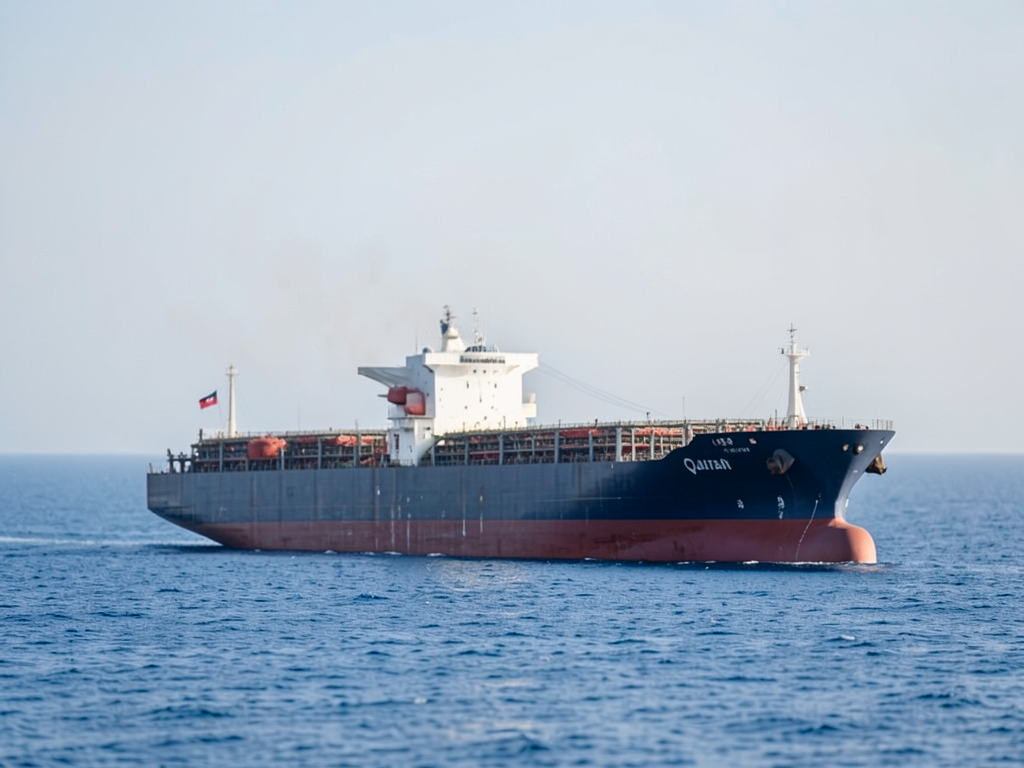
Global oil prices jumped sharply on Monday as military tensions between the United States and Iran intensified, with Israel simultaneously expanding ground operations deeper into Lebanon against Hezbollah forces.
US crude futures climbed $2.88, or 3.3 percent, reaching $90.24 per barrel by midday Pakistan time, while Brent crude rose $2.78, or just over 3 percent, to $93.90 a barrel. The spike comes at a critical moment for Pakistan, which imports the vast majority of its petroleum needs and remains acutely vulnerable to Middle Eastern supply shocks.
The latest flare-up began over the weekend when Washington announced it had conducted what it called defensive strikes against radar installations and drone control facilities on Iran’s Goruk and Qeshm Island. US officials described the action as a response to what they termed aggressive Iranian behavior in the region.
Tehran’s elite Islamic Revolutionary Guard Corps quickly responded, claiming its aerospace division had targeted an air base allegedly used in American attacks on a telecommunications tower located on Sirik Island. The tit-for-tat strikes have dashed hopes for an imminent extension of a fragile ceasefire that had briefly calmed markets late last week.
US President Donald Trump indicated on Friday that he would soon make a decision on a proposed deal to prolong the ceasefire first announced in early April. That agreement was meant to give negotiators additional time to pursue a permanent resolution to hostilities and address the underlying dispute over Iran’s nuclear program.
Any durable settlement would require Israeli cooperation, and Iran has repeatedly insisted that Lebanon’s Hezbollah must be part of the arrangement. According to a US official, Washington has floated a gradual de-escalation framework under which Hezbollah would halt attacks on Israel in exchange for Israeli restraint in Beirut.
Adding to market anxiety are growing concerns about naval mines in the Strait of Hormuz, the narrow waterway through which roughly one-fifth of the world’s oil and gas supplies flow. Iran has effectively kept the strait closed since late February, when the current round of conflict erupted following coordinated US and Israeli strikes.
Reports surfaced late last week suggesting Iran had deployed additional mines in the strait, a move that would violate ceasefire terms and further complicate efforts to reopen the critical shipping lane. Even if an agreement is eventually reached, analysts warn that restoring full supply flows could take considerable time.
For Pakistan, the implications are immediate and serious. Higher crude prices translate directly into increased import costs, which feed through to domestic fuel prices, transportation expenses, and broader inflation. With the rupee under persistent pressure and foreign exchange reserves stretched thin, any sustained rise in oil prices threatens to worsen the country’s balance of payments and complicate efforts to stabilize the economy.
The supply concerns overshadowed weaker-than-expected economic data from China over the weekend, which showed factory activity stalling amid export contractions and rising cost pressures. Goldman Sachs warned on Sunday that sluggish oil demand in China and Europe poses significant downside risk to its fourth-quarter price forecasts, though Middle East supply disruptions could still push prices higher.
As the situation in the Gulf remains fluid, Pakistani policymakers and consumers alike are bracing for the possibility of prolonged volatility in global energy markets.