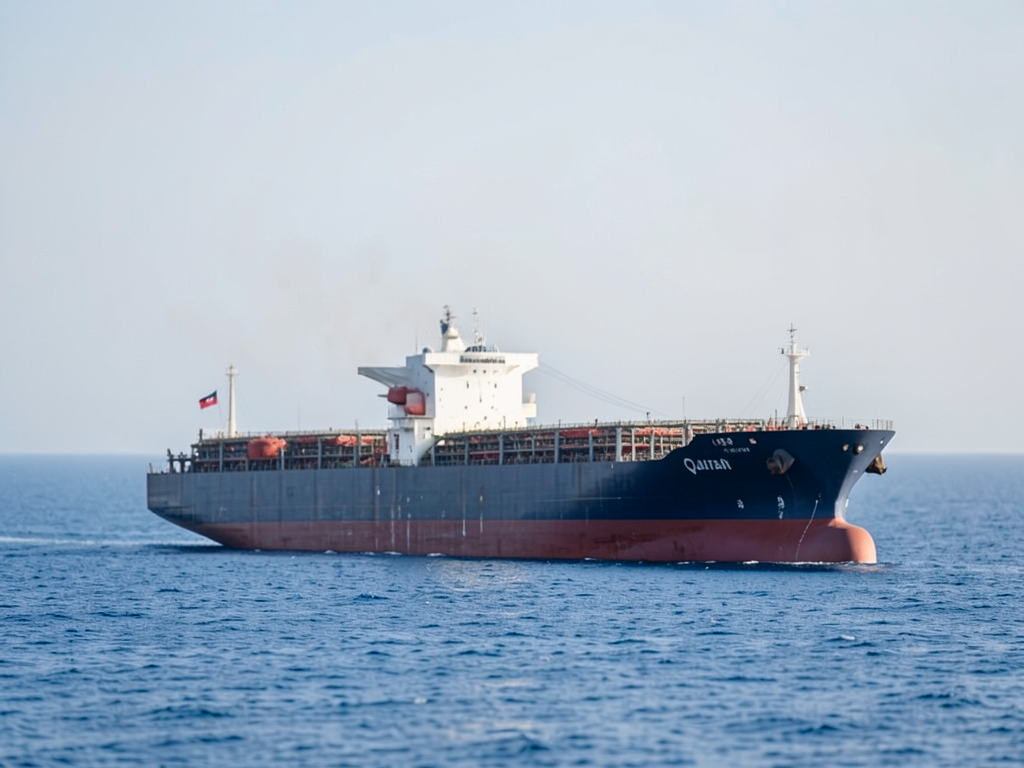
Pakistani consumers received significant financial relief on Friday as the federal government announced a sharp reduction in fuel prices, slashing petrol and diesel costs by Rs22 per litre each, effective from May 30.
The Prime Minister’s Office described the move as an Eid ul Adha gift to the nation, coming on the third day of the religious festival. Prime Minister Shehbaz Sharif emphasized that providing relief to citizens remains among his administration’s highest priorities, particularly as households grapple with persistent inflation and rising living costs.
Following the reduction, petrol will now cost Rs381.78 per litre, down from Rs403.78, while high-speed diesel has been reduced to Rs380.78 per litre from Rs402.78. The cuts represent a continuation of relief measures, as fuel prices were also reduced the previous week.
In an even more dramatic move, the Oil and Gas Regulatory Authority slashed kerosene oil prices by Rs41.44 per litre, bringing the new rate down to Rs272 per litre from Rs313.44. Kerosene remains a critical fuel for millions of lower-income households across Pakistan who rely on it for cooking and heating.
The government statement highlighted that even during severe global oil crises, authorities maintained subsidies on fuel for public transport, goods vehicles, motorcycles, and rickshaws. Officials noted that during the worst period of international oil price volatility, the prime minister provided subsidies exceeding Rs130 per litre to shield domestic consumers from price shocks.
The latest price cuts align with a broader decline in global oil markets. International benchmark Brent crude fell to approximately $93 per barrel during Friday morning trading in Asia, while the primary US benchmark West Texas Intermediate dropped to just below $88 per barrel. Market analysts attribute the decline to growing optimism surrounding potential diplomatic progress between the United States and Iran, which could ease disruptions to global energy supplies.
For Pakistani families, the fuel price reduction offers immediate and tangible relief. Transportation costs directly impact the prices of food, consumer goods, and services across the country. Lower diesel prices particularly benefit the agriculture and logistics sectors, potentially easing pressure on food inflation.
The timing of the announcement, coinciding with Eid celebrations when families travel extensively and household expenses peak, amplifies the relief’s impact. Millions of Pakistanis who check fuel prices daily will see the reduction reflected at pumps nationwide starting Saturday.
While the government framed the cuts as proactive relief measures, the reductions also reflect favorable international market conditions. The interplay between global oil dynamics and domestic pricing policy remains critical for Pakistan’s economy, where fuel costs ripple through every sector.
The Petroleum Division’s official notification confirmed that the new rates will remain in effect for one week, with the next pricing review expected in early June. Whether further reductions materialize will depend on continued stability in international oil markets and the outcome of ongoing geopolitical negotiations affecting global energy supplies.