Pakistan is scrambling to preserve a fragile ceasefire between the United States and Iran after Tehran announced it was halting indirect negotiations over renewed Israeli military operations in Lebanon, threatening to unravel months of painstaking Pakistani diplomacy.
Deputy Prime Minister and Foreign Minister Ishaq Dar held urgent telephone talks with Iranian Foreign Minister Abbas Araghchi on Monday, stressing the critical need to maintain the truce and prevent a collapse of understandings reached through Pakistani mediation.
Dar emphasized that sustaining the ceasefire was essential to avoid any breakdown of existing agreements, according to a Foreign Office statement. The call came as Iranian state media reported that Tehran had suspended message exchanges with Washington over Israeli attacks on Lebanon and was considering measures to completely block the Strait of Hormuz.
Araghchi acknowledged Pakistan’s constructive diplomatic role and requested Islamabad continue efforts to facilitate de-escalation and support the ceasefire. He expressed concern over Israeli ceasefire violations and orders for potential attacks in parts of Beirut.
Pakistan has emerged as the key mediator in one of the most dangerous geopolitical crises in recent years. Islamabad brokered a two-week ceasefire between Washington and Tehran on April 8, following hostilities that erupted after US and Israeli strikes on Iran on February 28. Pakistan then hosted direct talks between the two sides on April 11 and 12.
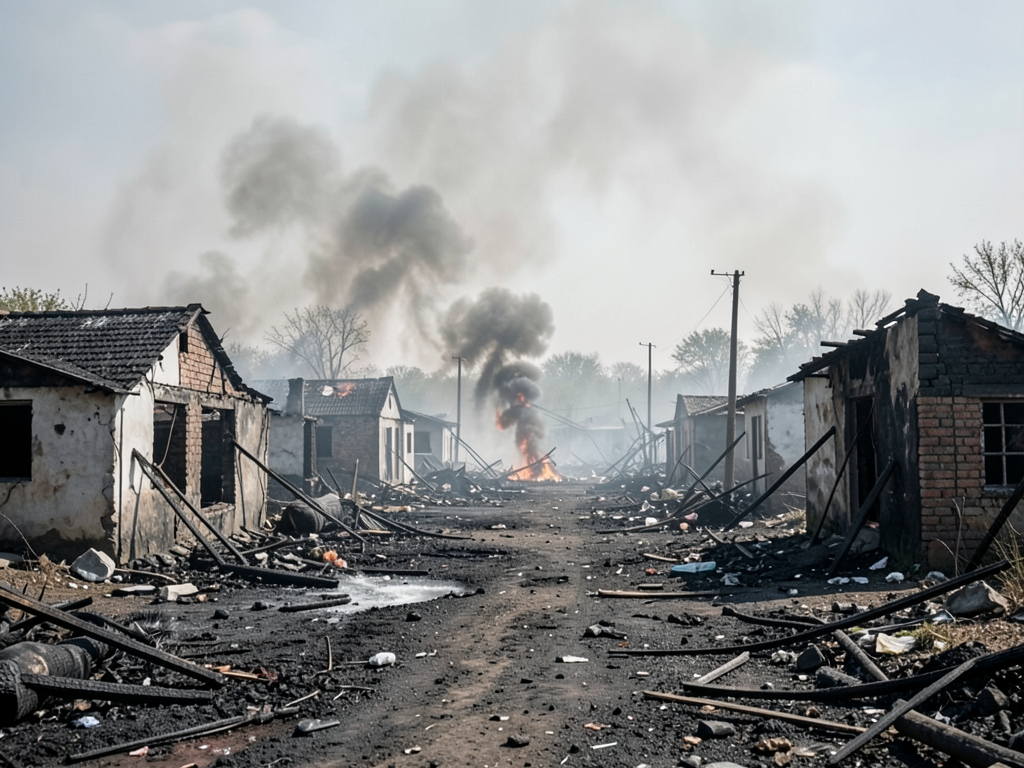
While those negotiations ended without a permanent agreement, Pakistani officials have maintained continuous backchannel efforts to narrow differences. The conflict has already displaced over 1.2 million Lebanese and caused severe global economic disruption by effectively closing the Strait of Hormuz, a chokepoint for roughly one-fifth of global oil and liquefied natural gas supplies.
The European Union’s top diplomat, Kaja Kallas, praised Pakistan’s mediation during a visit to Islamabad on Monday, saying Pakistani diplomatic efforts had helped prevent a return to full-blown war on several occasions. She described Pakistan as a major regional power and noted that Europe strongly recognizes and appreciates Pakistan’s role.
Kallas expressed hope that the first phase of a Pakistan-mediated agreement would be formally signed, warning that the ongoing conflict was costing the world a very high price through higher energy costs and disrupted fertilizer markets that could trigger famine.
Despite the diplomatic progress, significant obstacles remain. Israeli Prime Minister Benjamin Netanyahu ordered troops to push deeper into Lebanon on Sunday, though US President Donald Trump later said Netanyahu had agreed not to send forces to southern Beirut after a productive call.
Trump insisted that talks with Iran were continuing at a rapid pace, contradicting Iranian reports of suspended communication. However, Iranian officials have criticized what they describe as a constantly changing US negotiating stance.
Iran is reportedly seeking an interim agreement that would provide economic relief and access to billions in frozen assets while avoiding major concessions on its nuclear program. Tehran has demanded the release of 12 billion dollars in frozen funds before engaging in substantive nuclear talks.
The situation remains highly volatile. Iran’s Revolutionary Guards reportedly shot down a US military drone, while the worst fighting since the ceasefire erupted earlier this week when US forces struck the Iranian port of Bandar Abbas, prompting retaliatory fire.
For Pakistan, the stakes could hardly be higher. Success would cement Islamabad’s role as an indispensable diplomatic player capable of mediating between global powers. Failure could trigger a wider regional war with devastating consequences for Pakistan’s economy and security.
Prime Minister Shehbaz Sharif thanked EU leadership for supporting Pakistan’s peace efforts during meetings with Kallas, highlighting the crucial roles played by Chief of Army Staff Field Marshal Asim Munir and Foreign Minister Dar in the mediation process.
As tensions simmer, Pakistan continues working to prevent the collapse of a ceasefire that represents both a major diplomatic achievement and a test of Islamabad’s ability to shape outcomes in a crisis that affects the entire world.