Oil markets jumped sharply on Monday as military tensions between the United States and Iran flared anew, with both nations exchanging strikes over the weekend—a development that could significantly worsen Pakistan’s import bill and fuel inflation at home.
US crude futures climbed $2.88, or 3.3%, reaching $90.24 per barrel by midday Pakistan time, while Brent crude rose $2.78, or just over 3%, to $93.90 a barrel. The spike came after Washington announced it had conducted what it called defensive strikes on Iranian radar and drone facilities at Goruk and Qeshm Island, citing aggressive actions by Tehran.
Iran’s elite Revolutionary Guard responded by saying its aerospace division had targeted a US-linked air base, claiming the American strike had hit a telecommunications tower on Sirik Island. The tit-for-tat escalation dashed hopes that a fragile ceasefire announced in early April might hold or be extended, even as US President Donald Trump indicated he would soon decide on a proposed deal to prolong the truce.
Adding to regional instability, Israel has ordered its forces to advance further into Lebanon in its ongoing campaign against Hezbollah, the Iran-backed militia. Despite peace talks hosted by Washington late last week, the fighting has intensified, dimming prospects for a quick diplomatic resolution. Any lasting agreement would require Israel’s cooperation and Tehran has insisted that Hezbollah must be part of negotiations—a demand that complicates the path forward.
For Pakistan, the immediate concern is economic. The country imports the vast majority of its oil and any sustained rise in global crude prices translates directly into higher costs for fuel, electricity generation, and transportation. With inflation already a major political and social issue, a prolonged spike in energy prices could deepen the financial strain on households and businesses alike.
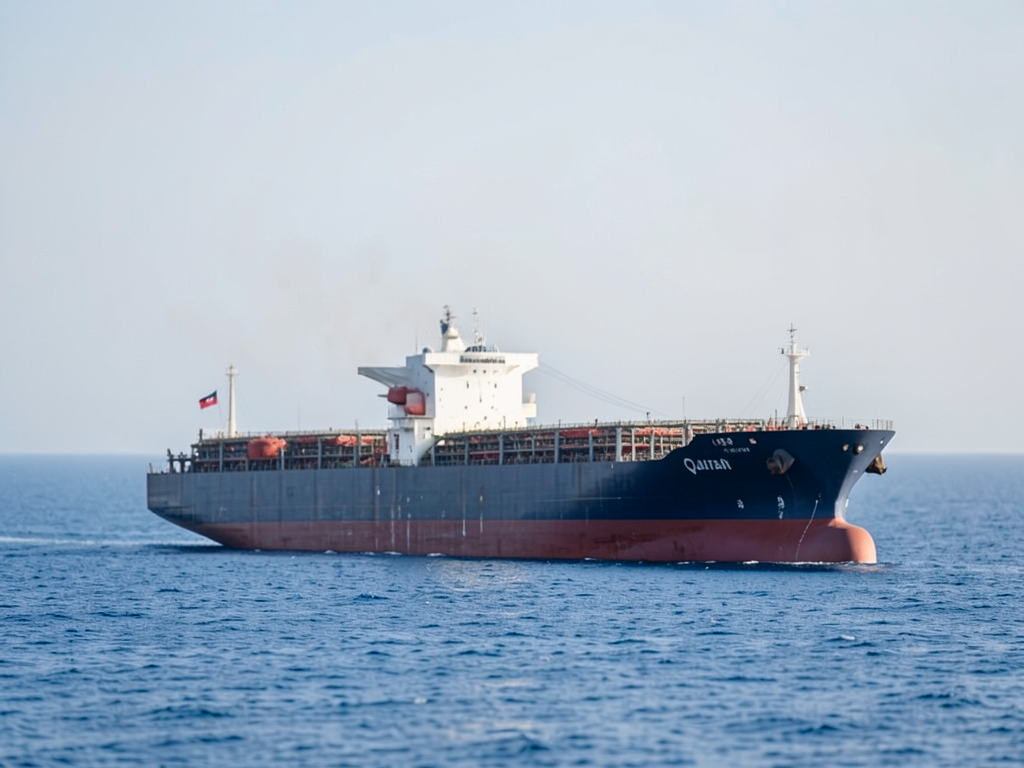
Market analysts warn that even if diplomacy succeeds, relief may be slow to arrive. Concerns are mounting over naval mines in the Strait of Hormuz, the narrow waterway through which roughly one-fifth of the world’s oil and gas flows. Iran has effectively restricted passage through the strait since the conflict began in late February, and reports suggest additional mines were laid recently, despite ceasefire terms. Clearing the waterway and restoring full shipping capacity will take time, meaning supply disruptions could linger even after hostilities ease.
Goldman Sachs cautioned over the weekend that weak demand in China and Europe poses downside risks to oil price forecasts, though Middle East supply shocks could still push prices higher. Chinese factory data released over the weekend showed stalling activity, adding to concerns that the world’s second-largest economy is losing momentum due to export contractions and rising costs.
For now, the focus remains on whether Washington, Tehran, and regional players can pull back from the brink. Until then, Pakistan and other oil-importing nations will be watching crude markets closely, bracing for the financial fallout of a conflict that shows little sign of cooling.