Pakistan faced one of its bloodiest weekends in recent memory as security forces killed dozens of terrorists in multiple operations while a devastating suicide attack on a passenger train in Quetta claimed 14 innocent lives, underscoring the nation’s escalating security crisis.
The violence erupted across multiple fronts. In North Waziristan, security forces eliminated 11 India-backed militants during intense 48-hour operations in the Datta Khel area, according to military officials. The terrorists belonged to groups actively involved in cross-border attacks and were found with weapons and ammunition.
Simultaneously, a major joint operation by the Pakistan Army, police, and Counter Terrorism Department in Bannu’s Miryan area resulted in the deaths of 16 militants, including two key commanders identified as Zamri Noor and Afghan national Abdullah Saeed. The operation, which began Saturday, also cost the lives of two brave police constables—Waheedullah Khan and Noorullah Khan—who were martyred during fierce gun battles. Security forces recovered and defused a 10-kilogram improvised explosive device during the raid.
In a separate CTD operation on Quetta’s outskirts, nine more terrorists were neutralized, though four CTD personnel sacrificed their lives and six others sustained injuries in the confrontation.
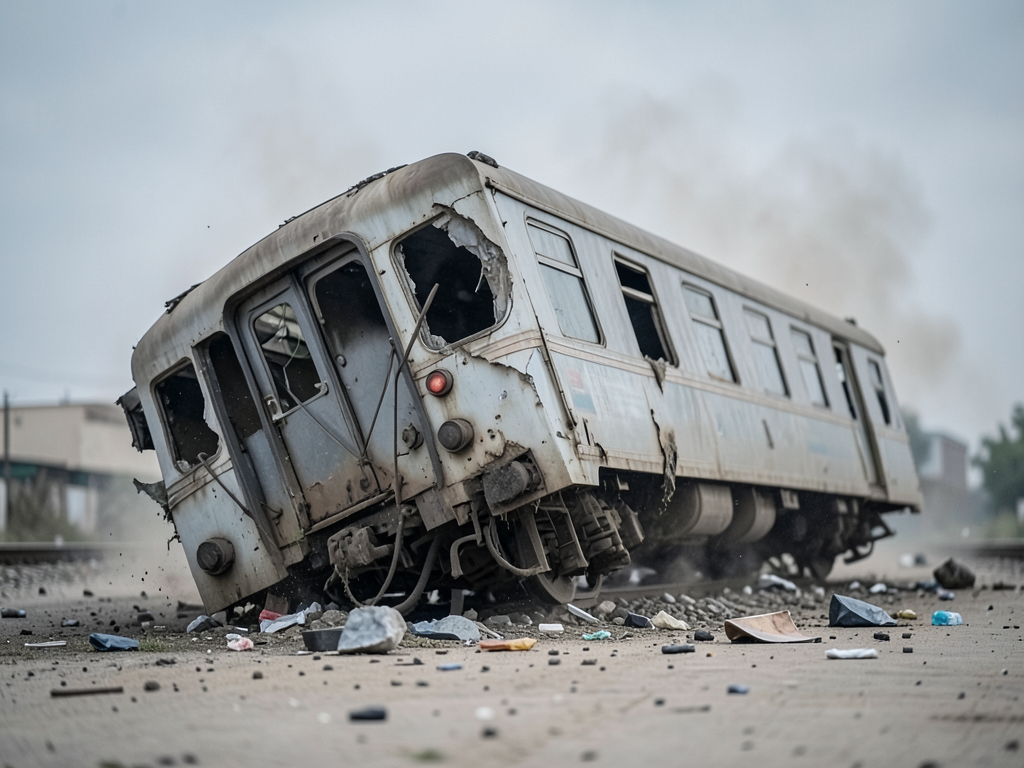
But the weekend’s most devastating blow came Sunday morning when a vehicle-laden with explosives rammed into a passenger shuttle train near Chaman Phatak in Quetta. The suicide bombing killed at least 14 people, including three Frontier Corps personnel and an entire family of four. Twenty others were wounded, many of them women and children living in nearby homes.
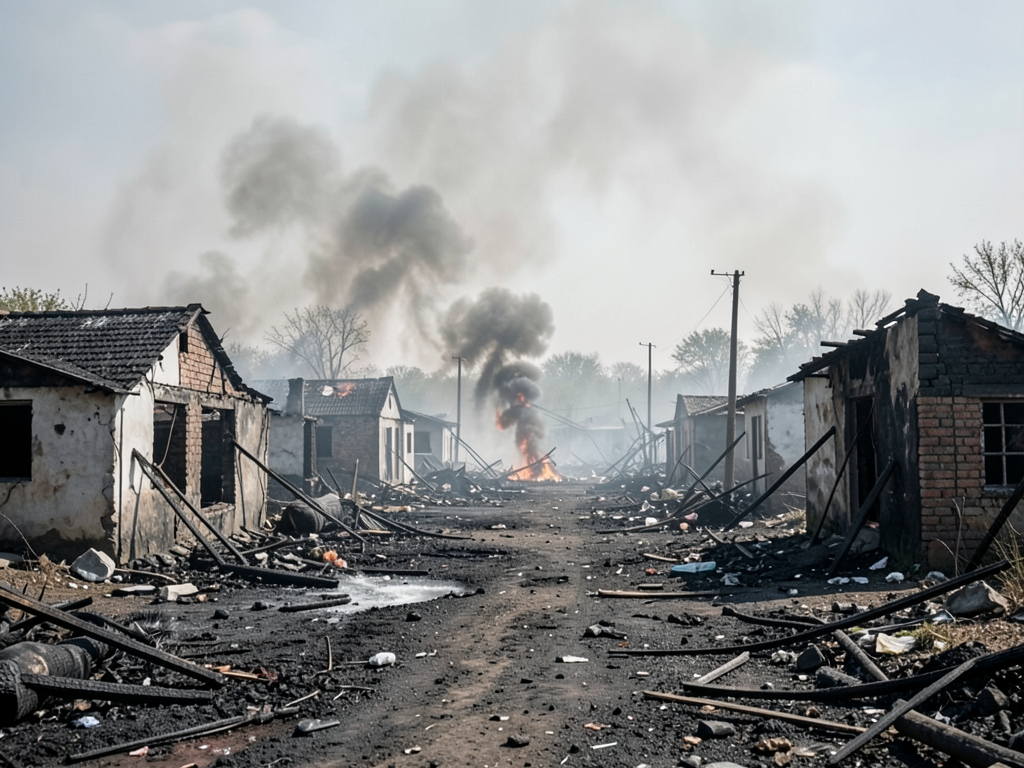
The banned Baloch Liberation Army claimed responsibility for the railway attack, which occurred around 8 a.m. as the train traveled from Quetta Cantonment toward the city station. The blast’s force was so powerful it derailed coaches, destroyed nearby vehicles, and shattered windows in surrounding buildings. Eyewitnesses described scenes of absolute chaos as bloodied victims were pulled from mangled wreckage.
One resident, Mohammad Rahim, recalled being jolted awake by the explosion. Another witness, Abdul Basit, was standing in a breakfast queue when the blast sent people scrambling for cover. Police confirmed the device contained approximately 35 kilograms of explosives.
Quetta’s hospitals declared emergencies as ambulances rushed casualties for treatment. Authorities imposed Section 144 and established coordination cells to manage the crisis response.
President Asif Ali Zardari and Prime Minister Shehbaz Sharif strongly condemned the attacks, with the premier calling them cowardly attempts to undermine Pakistan’s progress. Both leaders vowed the nation would not be deterred from eliminating terrorism.
The surge in violence reflects Pakistan’s deteriorating security situation since the Afghan Taliban’s 2021 takeover. Despite repeated requests for Kabul to prevent its territory from being used by terrorist groups, the Afghan regime has refused meaningful action. Pakistan launched Operation Ghazab lil-Haq in February 2026 to counter the threat, but cross-border attacks continue unabated, particularly in Khyber Pakhtunkhwa and Balochistan.
Security officials emphasized that operations against militant networks would continue at full intensity until terrorism is completely eradicated. The use of advanced surveillance technology and drones in recent operations demonstrates Pakistan’s commitment to employing modern tactics against an evolving threat.
For ordinary Pakistanis, however, the weekend’s bloodshed serves as a grim reminder that the fight against terrorism remains far from over, with innocent civilians continuing to pay the highest price.