Pakistan’s stock market delivered a strong performance this week, with the benchmark KSE-100 index climbing 2,248 points to close at 167,844 despite experiencing significant daily volatility that tested investor nerves.
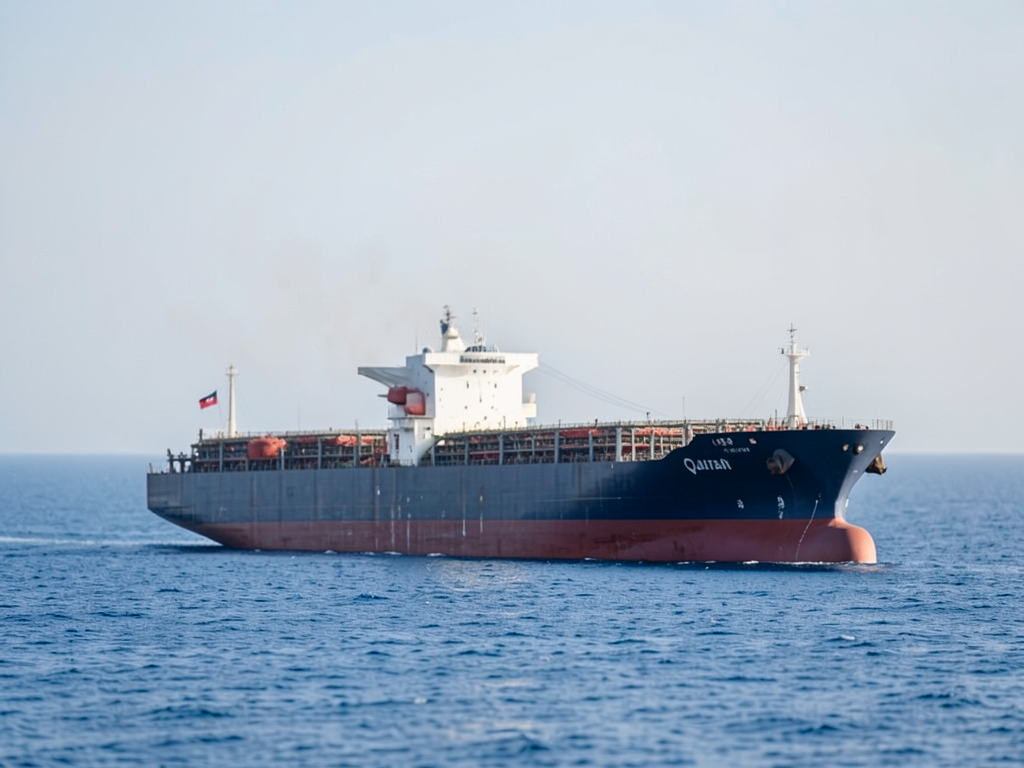
The weekly gain of 1.36% came amid renewed optimism over potential diplomatic breakthroughs between the United States and Iran, with Pakistan’s behind-the-scenes role in facilitating backchannel negotiations drawing attention from market participants. The prospect of easing tensions in the Middle East helped push global crude oil prices down from alarming highs above $110 per barrel to around $103, providing relief to Pakistan’s import-dependent economy.
The week began on a shaky note, with the index plunging nearly 3,800 points on Monday as stalled peace talks sent oil prices soaring. However, the market quickly recovered momentum. Tuesday saw a solid rebound of over 1,091 points, followed by Wednesday’s impressive 1,935-point surge. Thursday delivered the week’s strongest single-day performance, with the index jumping 3,683 points to reach 168,514—a gain of 2.23% in one session. Friday brought a modest pullback of 670 points, but the overall weekly trajectory remained firmly positive.
A standout development was the historic initial public offering of Service Long March Tyres, which shattered records by attracting Rs70 billion in investment with an unprecedented 16.7 times oversubscription. The overwhelming demand reflected exceptional appetite among Pakistani investors and marked a significant milestone for the country’s capital markets.
Economic indicators presented a mixed picture. Auto financing showed robust recovery, climbing 36.6% year-on-year to Rs360 billion, signaling improving consumer confidence. Foreign exchange reserves surged to $17.1 billion from $15.9 billion, with State Bank reserves jumping by $1.2 billion and import cover extending to 2.7 months.
However, challenges persisted. Pakistan’s current account swung back into deficit territory, recording a $324 million shortfall in April compared to a $1,134 million surplus the previous month. The trade deficit widened to over $4 billion in April—the highest monthly gap in 46 months—as imports rose 7% year-on-year and the oil import bill reached a 44-month peak.
The government demonstrated strong borrowing capacity, raising Rs652 billion in Pakistan Investment Bonds against a target of Rs350 billion, with major allocation in 15-year securities. Separately, treasury bill auctions brought in Rs702 billion against a Rs450 billion target, though yields increased across different maturities.
Oil and gas production declined during the week, with natural gas output falling 3.2% and crude oil production dropping 1.9% due to lower field output. Power generation also decreased 10% year-on-year.
Market analysts noted that trading activity picked up significantly during Thursday’s rally, with 270 million shares changing hands in the KSE-100 universe, though volumes remained below peak risk-on levels. Commercial banks, fertilizers, cement, exploration and production companies, and power sector stocks led the advance.
Looking forward, market direction will likely depend heavily on developments in US-Iran negotiations, oil price movements, and the trajectory of Pakistan’s macroeconomic indicators. While diplomatic progress and falling energy costs provide support, analysts warn that geopolitical headline risk remains elevated and volatility should be expected in coming sessions.