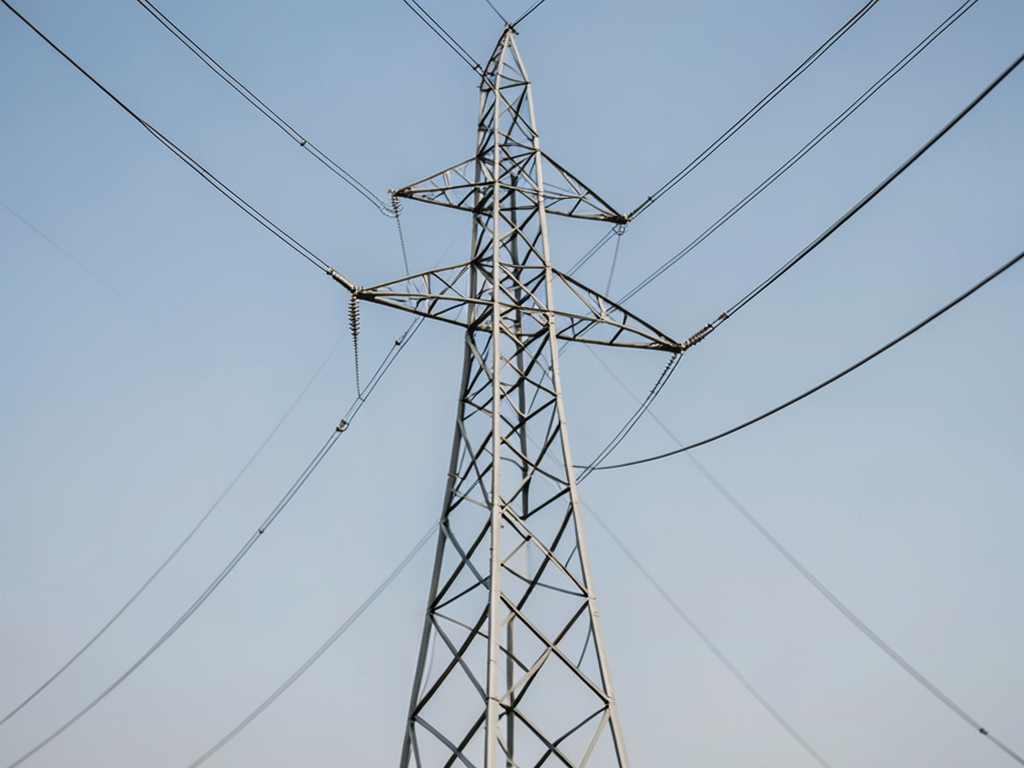
Pakistan has launched a high-stakes privatisation drive that could reshape how millions receive electricity, formally opening the bidding process for three major power distribution companies that collectively serve over 14 million consumers nationwide.
The government announced Tuesday it is seeking expressions of interest from both domestic and foreign investors for the Faisalabad Electric Supply Company, Gujranwala Electric Power Company, and Islamabad Electric Supply Company. Potential buyers can acquire controlling stakes ranging from 51 percent to full ownership, along with complete management authority over operations.
These three distribution companies represent critical infrastructure across Punjab’s industrial heartland and the capital region, supplying electricity to major commercial centres and densely populated urban areas. The privatisation marks one of the most significant attempts yet to offload state-owned enterprises as Pakistan grapples with chronic power sector losses and mounting fiscal pressures.
The move comes as Islamabad accelerates its broader divestment agenda under intense scrutiny from international lenders. The same day, the Economic Coordination Committee granted preliminary approval to sell a 30 percent stake in Pakistan National Shipping Corporation to the National Logistics Corporation, transferring management control from the Maritime Affairs Ministry.
Finance Minister Muhammad Aurangzeb chaired the ECC session that greenlit the shipping company transaction, which officials say aims to capitalize on emerging maritime and transshipment opportunities. The sale price and final formalities remain under discussion.
The privatisation push unfolds against a backdrop of severe revenue shortfalls. The International Monetary Fund recently imposed conditions requiring Pakistan to demonstrate budget savings of 136 billion rupees to minimize fiscal impact. The lender also mandated the Federal Board of Revenue collect 322 billion rupees from disputed tax cases, a target authorities claim to have exceeded by collecting 327.7 billion rupees, largely through a court ruling upholding the controversial super tax.
During the same ECC meeting, the government approved over 8.6 billion rupees in supplementary grants just days before the current financial year concludes. Allocations included 160 million rupees for Prime Minister’s Office repairs, 480 million rupees for a Frontier Corps hospital in Khyber District, and 3.9 billion rupees for youth skill development and Danish Schools in Azad Kashmir, Gilgit-Baltistan, and Balochistan.
Additional funding covered the Prime Minister’s National Health Programme and increased monthly allowances for Jammu and Kashmir refugees from 3,500 to 6,000 rupees per person starting February 2026.
The electricity distribution privatisation remains deeply controversial. Critics warn that transferring control to profit-driven entities could worsen service quality and affordability for ordinary consumers already struggling with high tariffs and frequent outages. Supporters argue private management could inject much-needed efficiency and investment into a sector plagued by theft, mismanagement, and technical losses.
With 14 million consumers directly affected, the outcome of this bidding process will determine not just the future of Pakistan’s power sector, but the daily lives of millions who depend on reliable electricity for homes, businesses, and livelihoods.